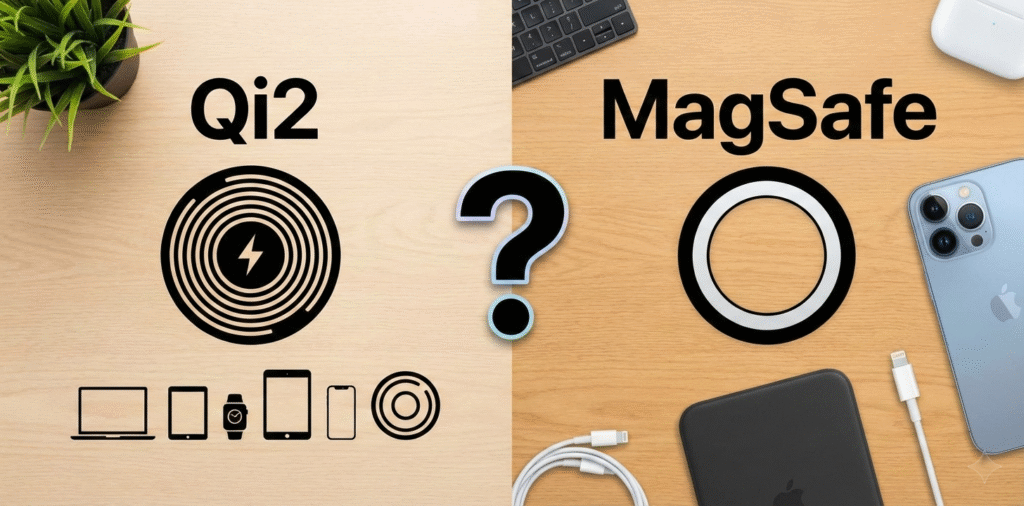
In the world of wireless charging, Qi2[^1] and MagSafe[^2] are two major players that are changing the way we charge our devices. But which one is better? To determine that, we need to understand how both technologies work, their benefits, and how they compare in various use cases.
Qi2[^1] is an open standard with magnetic alignment[^3] and broad device support; MagSafe[^2] is Apple’s optimized ecosystem with tight device integration and accessory control. Choose based on device, compatibility, and use case.
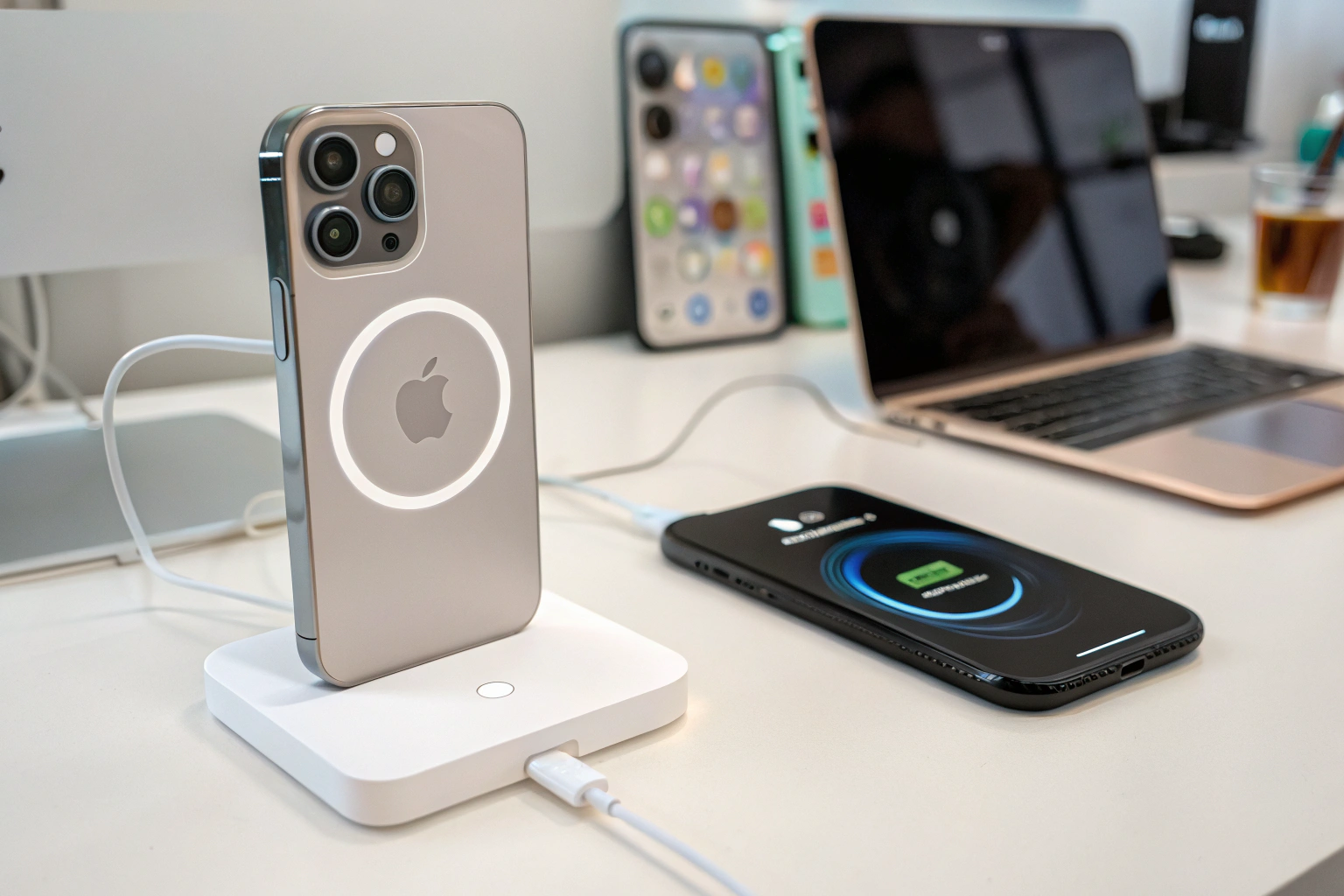
Let’s break down each technology and then compare them side-by-side.
What is Qi2[^1]?
I read the Qi2[^1] spec and tested early chargers to understand it.
Qi2[^1] is an updated, open wireless charging standard by the Wireless Power Consortium[^4]. It adds magnetic alignment[^3] to the Qi baseline and standardizes power profiles and connector interactions for broader device support.
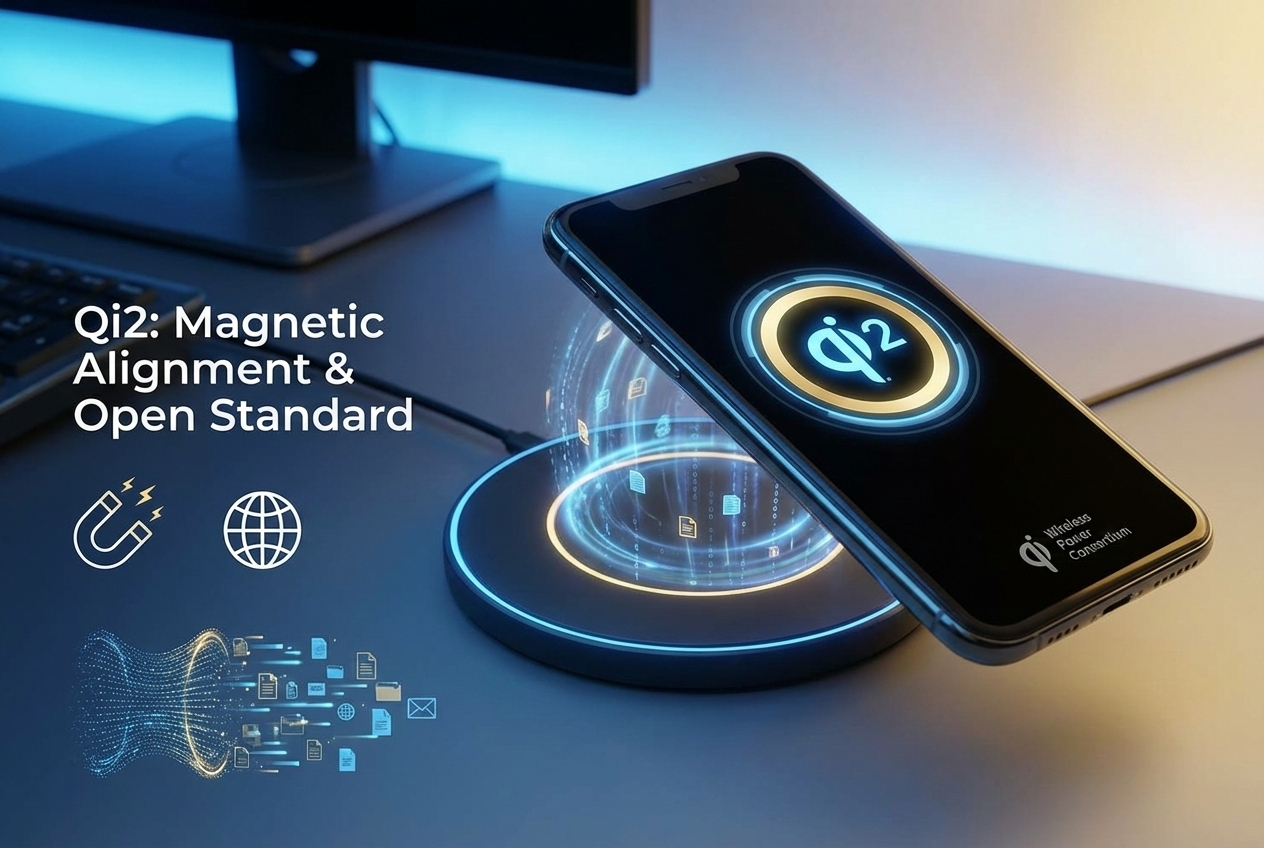
Qi2[^1] builds on Qi, the widely used wireless charging standard. It adds guidelines for magnets, alignment, and a standard clamp so phones and chargers can align consistently. The goal is that any Qi2[^1] charger will align with any Qi2[^1] phone and deliver predictable power. Qi2[^1] defines power classes and negotiated levels for safety and efficiency. It aims to avoid proprietary tricks while offering improved magnetic hold for reliable charging. Because it is an open standard, many manufacturers can produce Qi2[^1] chargers and receivers, which should increase availability and choice. I found that Qi2[^1] chargers often focus on interoperability rather than extra accessory features. They try to match a balance of heat, speed, and device safety across brands.
What is MagSafe[^2]?
I compared Apple’s MagSafe[^2] hardware and software behavior on iPhones.
MagSafe[^2] is Apple’s magnetic charging system for iPhones and accessories. It pairs a magnetic ring with Qi-based charging plus Apple-specific accessory authentication and features for a tailored user experience.
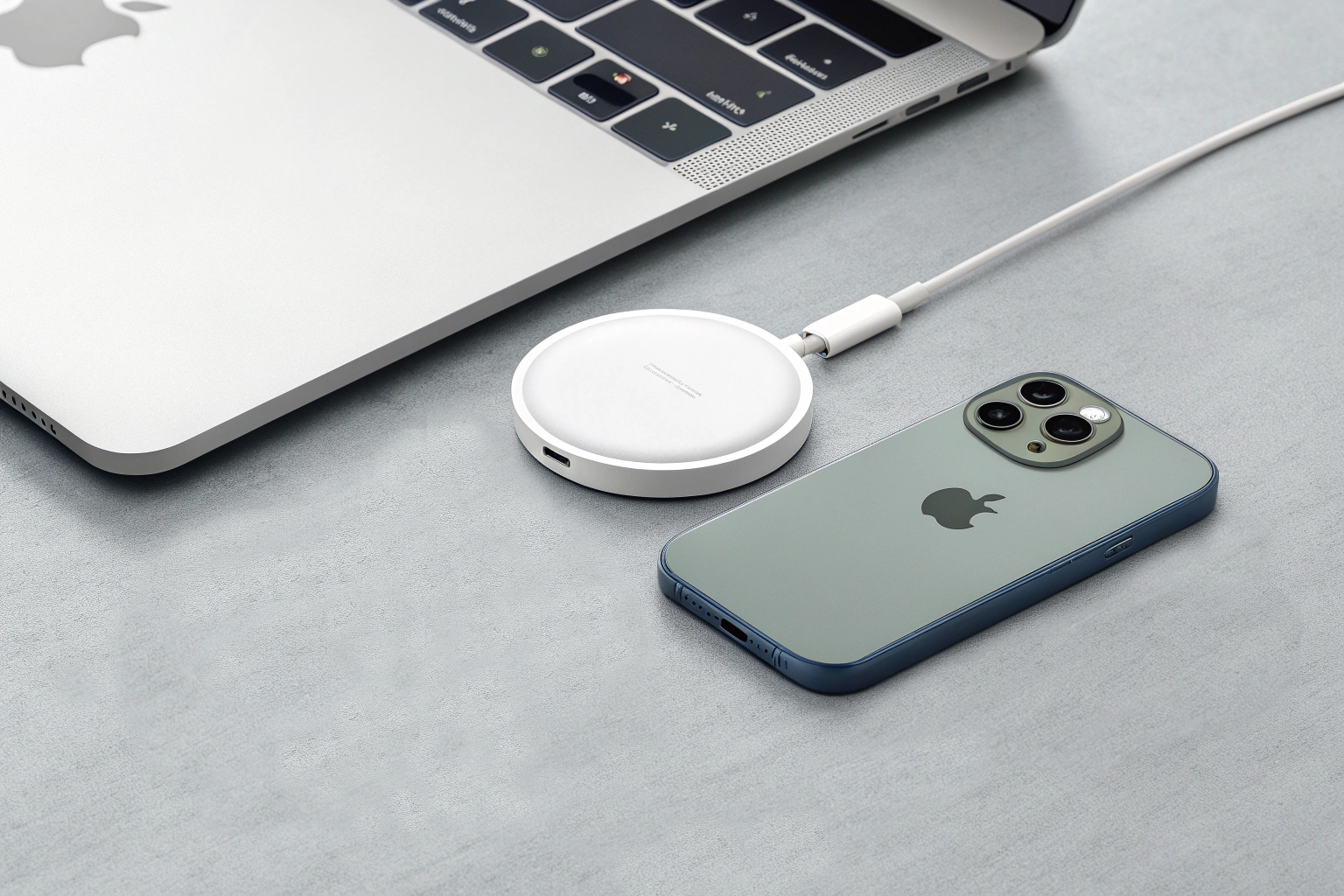
MagSafe[^2] uses a ring of magnets to align iPhones to chargers and accessories. It builds on Qi wireless charging but adds Apple control over accessory behavior. MagSafe[^2] chargers and MagSafe[^2]-enabled accessories can identify themselves to the iPhone. This allows the phone to show accessory status, manage accessory power, and support Apple-designed mounts and wallets. MagSafe[^2] chargers are optimized for iPhone models that support magnetic alignment[^3], giving consistent positioning and predictable charging speeds. Apple also ties MagSafe[^2] to its accessory certification and quality control. In practice, MagSafe[^2] works very well for iPhone users and supports features like animation, accessory battery display, and optimized thermal behavior for Apple devices.
Is Qi2[^1] superior to MagSafe[^2]?
I weighed open standards against closed ecosystems and tested mixed-brand setups.
Qi2[^1] is better for cross-brand compatibility[^5] and market choice. MagSafe[^2] is better for iPhone-specific features and integrated accessory experiences. Superiority depends on your device set and priorities.
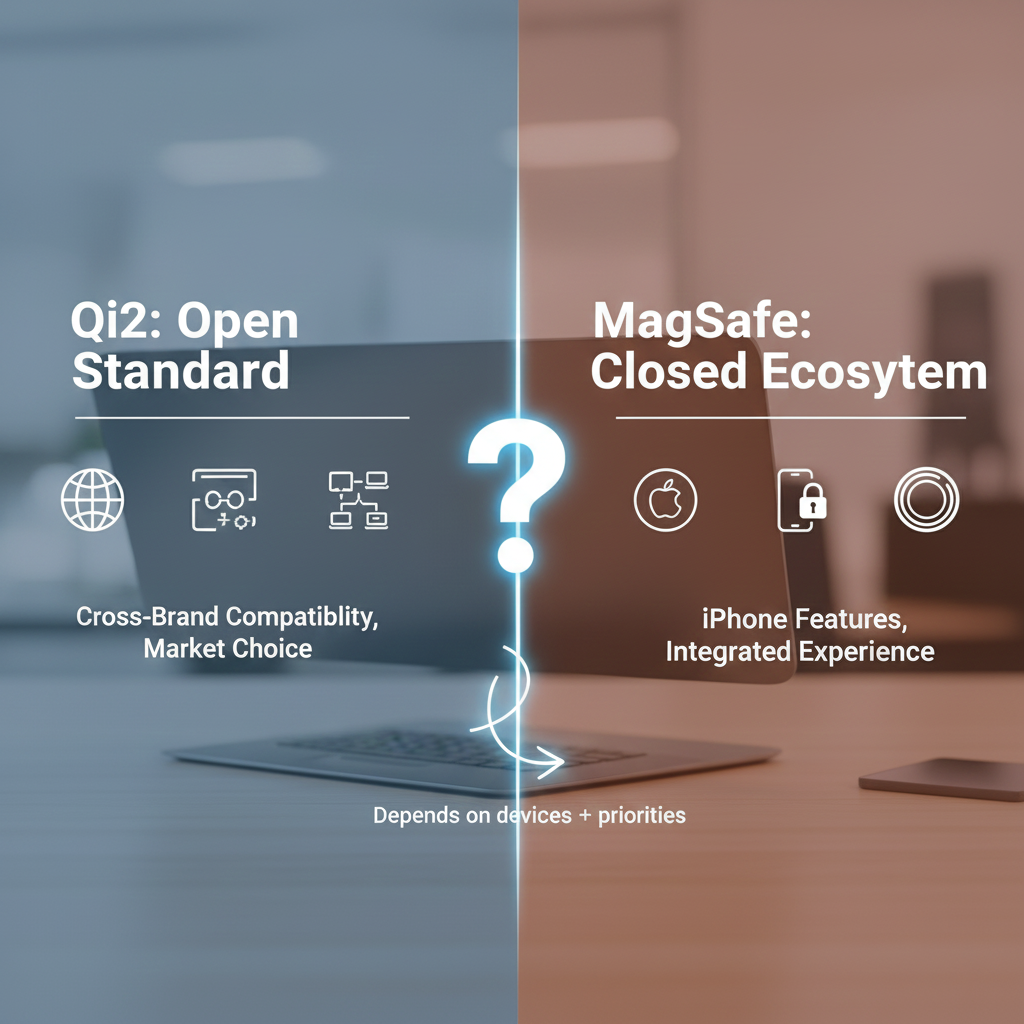
Qi2[^1]’s strength is that it is open. If you own phones from several brands or buy accessories from different makers, Qi2[^1] promises consistent alignment and charging behavior across devices. It reduces vendor lock-in[^6] and increases charger options and price competition. Qi2[^1] also pushes standard safety and power negotiation[^7] rules so manufacturers follow the same playbook. MagSafe[^2]’s strength is the seamless Apple experience. If you use an iPhone, MagSafe[^2] gives tight alignment, reliable accessory signaling, and a controlled ecosystem of certified accessories. MagSafe[^2] can offer additional software features and accessory power management that Qi2[^1] may not mandate. In real use, a MagSafe[^2] charger often gives the smoothest experience on iPhone hardware. A Qi2[^1] charger may work nearly as well and will work with many brands. If you prioritize cross-device compatibility and choice, Qi2[^1] edges ahead. If you want the deepest Apple integration and assured features on iPhone, MagSafe[^2] remains strong.
Qi2[^1] vs. MagSafe[^2] Comparison
I broke down differences by key criteria to make comparison clear and actionable.
Here I compare compatibility, charging performance[^8], accessory ecosystem[^9], certification, and real-world use[^10].
Compatibility
- Qi2[^1]: Designed for multi-brand compatibility[^11] with standardized magnet placement. Works across Qi2[^1] devices from different manufacturers.
- MagSafe[^2]: Best with iPhones and certified MagSafe[^2] accessories. Third-party non-MagSafe[^2] phones may not align or get accessory features.
Charging performance
- Qi2[^1]: Aims for standardized power profiles. Expected to support similar power levels to MagSafe[^2] in many cases. Actual speeds depend on charger design and thermal management.
- MagSafe[^2]: Optimized for iPhone models. Offers reliable power negotiation[^7] and thermal control tailored to Apple devices.
Accessory ecosystem
- Qi2[^1]: Broad manufacturer support leads to many charger shapes and prices. Cross-brand accessories may proliferate.
- MagSafe[^2]: Curated accessory ecosystem[^9] with certified mounts, wallets, and chargers. Offers software integrations exclusive to Apple.
Certification and safety
- Qi2[^1]: Backed by Wireless Power Consortium[^4] rules. Open certification encourages wide adoption and consistent safety behavior.
- MagSafe[^2]: Apple’s own accessory certification and testing for reliable Apple-specific behavior. High-quality certified accessories proliferate.
Real-world use
- Qi2[^1]: Good for users with mixed-device households. Expect steady improvements as more brands adopt the standard.
- MagSafe[^2]: Best for users committed to Apple devices who want guaranteed accessory features and consistent experience.
I recommend this decision flow:
- If you use mostly iPhones and want the smoothest Apple features, pick MagSafe[^2]-certified chargers and accessories.
- If you use phones from multiple brands or want more charger options, pick Qi2[^1]-compatible chargers.
- If you carry multiple devices, a Qi2[^1] charger combined with a certified MagSafe[^2] adapter or a multi-standard charger gives flexibility.
I choose chargers based on device mix: MagSafe[^2] for Apple-first, Qi2[^1] for cross-brand freedom.
Conclusion
Qi2[^1] wins for cross-brand compatibility[^5] and choice; MagSafe[^2] wins for deep iPhone integration and accessory features.
Go for MagSafe if you’re an Apple user looking for a premium, fast-charging experience with exclusive Apple accessories. It’s seamless for iPhone and AirPods users who value convenience.
Choose Qi2 if you value universal compatibility and faster charging across multiple devices. Qi2 is the best option if you have a mix of iOS and Android devices or if you want to future-proof your charging setup with the latest wireless technology.
In terms of raw charging power and compatibility, Qi2 has the edge, especially with its universal support for multiple devices, making it the better choice for many users. However, if you’re deeply embedded in the Apple ecosystem, MagSafe offers a refined, device-specific solution that provides optimized charging speeds for Apple devices.
Ultimately, both Qi2 and MagSafe offer compelling benefits, but Qi2’s broader compatibility and potential for faster charging give it an edge over MagSafe for most users.
[^1]: Explore the benefits of Qi2 to understand its advantages in cross-brand compatibility and device support. [^2]: Learn how MagSafe enhances the charging experience for iPhone users with its unique features and integration. [^3]: Understand how magnetic alignment improves the efficiency and reliability of wireless charging systems. [^4]: Discover the impact of the Wireless Power Consortium on the development and standardization of wireless charging technologies. [^5]: Learn why cross-brand compatibility is crucial for users with devices from multiple manufacturers. [^6]: Understand the concept of vendor lock-in and how Qi2 helps reduce it for consumers. [^7]: Discover how power negotiation works and its importance in ensuring safe and efficient charging. [^8]: Compare the charging performance of Qi2 and MagSafe to see which technology meets your needs better. [^9]: Explore the variety of accessories available for both Qi2 and MagSafe to enhance your charging experience. [^10]: Get insights into the practical performance of Qi2 and MagSafe in everyday use. [^11]: Explore the benefits of multi-brand compatibility for users with diverse device ecosystems.