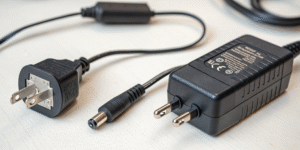
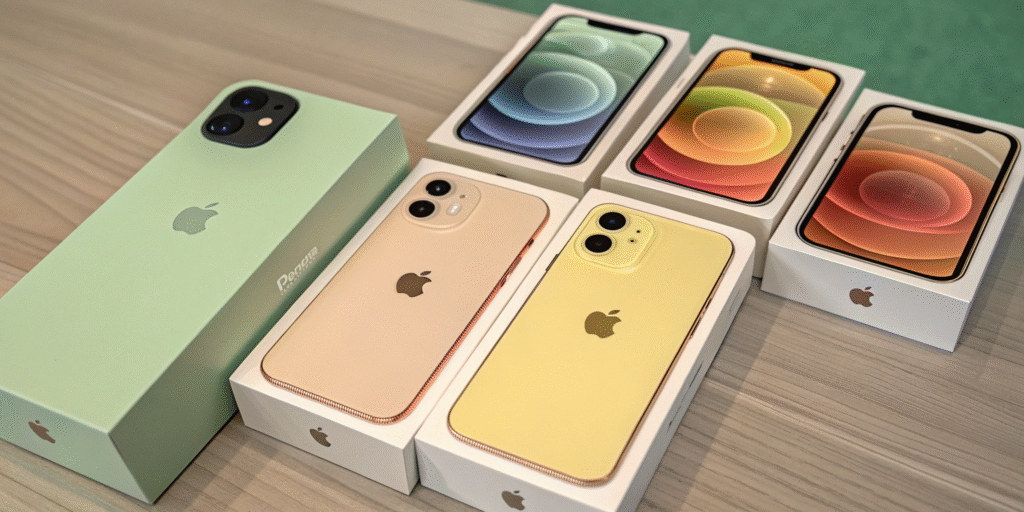
Apple made a significant change to its product packaging starting with the iPhone 12 launch in 2020. For the first time in Apple’s history, the company stopped including charging plugs (power adapters) in the box with its new iPhones. Instead, customers only received a USB-C to Lightning cable[^1], and the power adapter was no longer part of the package.
Apple stopped including the USB power adapter with the iPhone beginning with the iPhone 12 series in October 2020. The box now ships only with a USB-C to Lightning cable[^1].
This move sparked mixed reactions, with some consumers expressing frustration over the change, while others appreciated the company’s environmental focus. Apple explained that this decision was part of their efforts to reduce electronic waste and carbon emissions, as many customers already own compatible power adapters from previous devices.
Why did Apple stop giving adapters?
I asked this question and looked at Apple statements and market trends.
Apple said it removed adapters to reduce carbon emissions[^2] and make packaging smaller. The move also reduces production costs and aligns with more users already owning adapters.
Apple framed the decision as an environmental choice. Smaller boxes let Apple ship more units per pallet. Less material lowers raw material use and e-waste from extra adapters. At the same time, many customers already had compatible chargers from older phones or other devices. The change also reduces manufacturing costs and increases accessory sales. Critics point out that the decision shifts costs to customers who need new adapters and increases single-use purchases. Some regions and regulators questioned the move. Apple later sold separate USB-C power adapters on its store. For consumers, the change means you must check if you have a compatible charger or plan to buy one. I found it useful to keep a basic USB-C PD adapter on hand at home, at work, and in my travel bag.
Where can I buy a compatible charger for my iPhone?
I bought adapters from several reliable sources and tested them for safety and speed.
Buy from Apple, reputable electronics brands[^3], or trusted retailers. Look for USB-C Power Delivery (PD) adapters[^4] if you want fast charging[^5]. Check safety certifications[^6] like UL, CE, or FCC.
Options I use and recommend:
- Apple Store[^7]: official USB-C power adapters in 20W, 30W, 61W, etc. These match Apple specs and firmware compatibility.
- Reputable third-party brands: Anker, Belkin, Aukey, UGREEN, RavPower and others. Many offer USB-C PD chargers at competitive prices.
- Major retailers: Amazon, Best Buy, Walmart, and regional electronics stores. Buy from official brand stores or trusted sellers.
- Local mobile shops: convenient for same-day replacement, but check authenticity and certifications.
When buying, match charger wattage to your needs. For iPhone fast charging[^5], a 20–30W USB-C PD adapter is enough. For charging laptops or multi-device use, consider 45–65W or higher chargers. Also buy good USB-C to Lightning cable[^1]s that support PD. I always check reviews for real-world reliability and heat behavior. Avoid very cheap, no-name adapters without safety marks. They may lack proper protections and can risk device damage.
Which Models Stopped Including the Charging Plug?
I checked model timelines and Apple announcements to list the change.
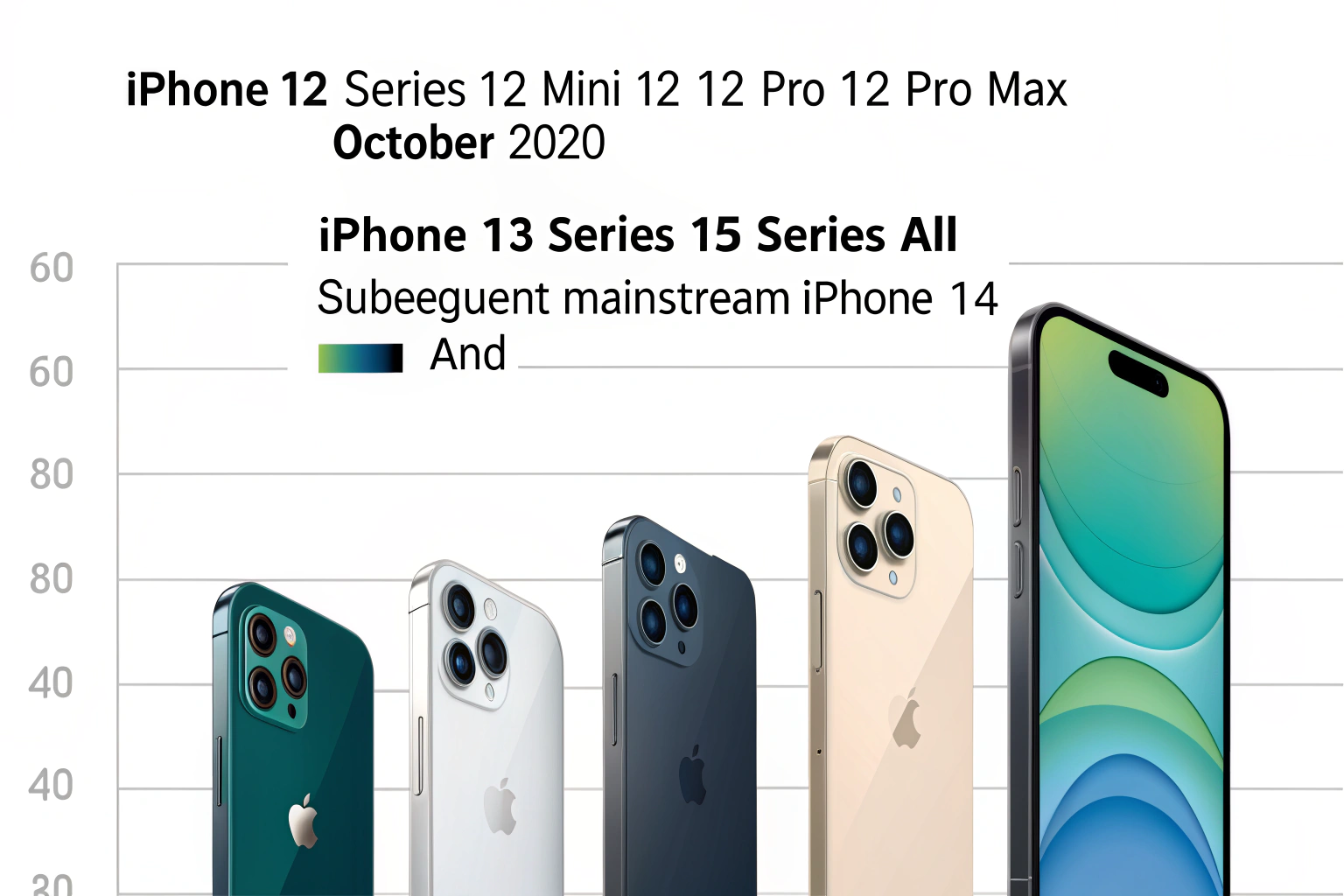
Apple officially stopped including the charging adapter starting with the iPhone 12 lineup announced in October 2020. All iPhone models released since then do not include the wall plug.
Models affected:
- iPhone 12 series (12 mini, 12, 12 Pro, 12 Pro Max) — first without adapter (October 2020).
- iPhone 13 series and later — continue without adapters.
- iPhone 14, 15 series, and all subsequent mainstream iPhone releases since 2020.
Note: Older models sold after 2020 may still include adapters if inventory allowed, regional differences existed, or if sold as refurbished units. Apple’s official policy applies to new retail packaging for iPhone 12 and newer. I double-checked packaging contents before gifting phones to avoid surprises.
What Does This Mean for Consumers?
I felt the change right away when I had to buy replacement adapters more often.
Consumers must own or buy a compatible USB-C power adapter and cable. This increases initial cost if the user lacks a suitable charger, but offers flexibility to choose faster or multiport adapters. It also raises concerns about added purchases for some users.
Practical consequences:
- Immediate extra purchase: New buyers without a USB-C PD adapter must buy one to fast-charge their iPhone. Basic adapters add to the initial expense.
- Faster charging choices: Users can choose 20W PD adapters for fast top-ups or higher-wattage GaN chargers[^8] for multi-device needs. This lets buyers pick chargers that match their habits.
- More third-party market: The removal created demand for third-party chargers[^9]. That brought more options and competitive prices but also variation in quality. Consumers must check certifications and reviews.
- Environmental debate: Apple claims less waste and lower shipping emissions. Critics note that forcing separate purchases may cause more single-item shipments and packaging. The net environmental impact depends on user behavior.
- Accessory ecosystem growth: Market for MagSafe chargers, multiport GaN PD chargers, car chargers, and wireless chargers expanded. Consumers can assemble a charging kit[^10] tailored to their routines.
I now keep a reliable 20W USB-C PD adapter in the house and a 65W GaN multiport in my travel bag. That covers fast phone charging and laptop needs without extra clutter.
Practical buying checklist
I use a short checklist before I buy any charger now.
- Confirm USB-C PD support[^11] and wattage for your needs.
- Choose trusted brands or Apple official adapter.
- Check safety certifications[^6]: UL, CE, FCC.
- Buy quality USB-C to Lightning cable[^1] that supports PD.
- Prefer GaN chargers[^8] for compact high-wattage and multiport use.
- Read reviews for heat and longevity.
Conclusion
Apple’s decision to stop including charging plugs with new iPhones was a significant move towards reducing environmental impact and e-waste. However, this change means that you may need to purchase a compatible charger separately. Apple offers its own adapters, but there are also many trusted third-party chargers[^9] available from retailers like Amazon, Best Buy, and Walmart. Make sure to choose a charger that’s USB-C Power Delivery (PD) compatible for the best fast-charging performance.
[^1]: Understanding this cable is crucial for fast charging your iPhone and ensuring compatibility with adapters. [^2]: Explore the broader implications of carbon emissions reduction and its significance for sustainability. [^3]: Discover trusted brands that provide high-quality chargers to ensure safety and performance. [^4]: Learn about PD adapters to maximize your charging efficiency and speed for devices. [^5]: Understanding fast charging can enhance your device's performance and charging speed. [^6]: Understanding safety certifications helps you choose safe and reliable charging products. [^7]: Visit the Apple Store for official and reliable charging accessories that ensure compatibility. [^8]: Learn about GaN technology for compact, high-efficiency chargers that save space. [^9]: Explore options for third-party chargers that can offer competitive pricing and quality. [^10]: Get tips on creating a personalized charging kit that meets all your device needs. [^11]: Learn about USB-C PD support to ensure you choose the right charger for your devices.