Apple began a broad transition to USB‑C[^1] for iPhone in 2023 after regulators pushed for a common charger, while MacBooks and iPads adopted USB‑C[^1] earlier in the 2010s.
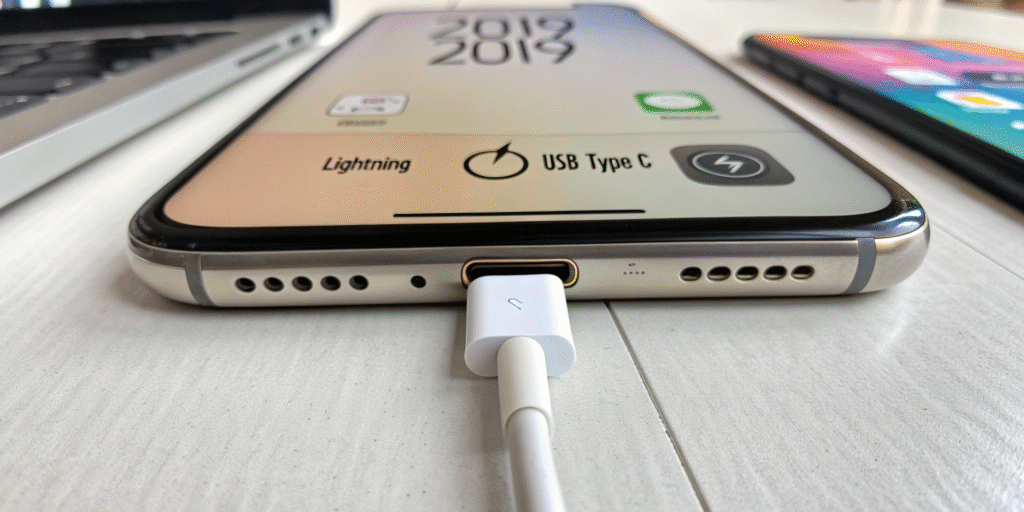
Apple’s transition to USB-C has been gradual, marking a significant shift from the proprietary Lightning connector[^2] used in its mobile devices for nearly a decade. USB-C is a universal connector standard that promises faster data transfer speeds[^3], higher power delivery, and better compatibility across different devices.
When did Apple change to type C?
I reviewed product release dates and official announcements to find when each line moved.
Apple first adopted USB‑C[^1] on MacBook in 2015 and on iPad Pro in 2018. The company officially moved iPhone to USB‑C[^1] in 2023, shipping the first USB‑C[^1] iPhones with the iPhone 15 series[^4].
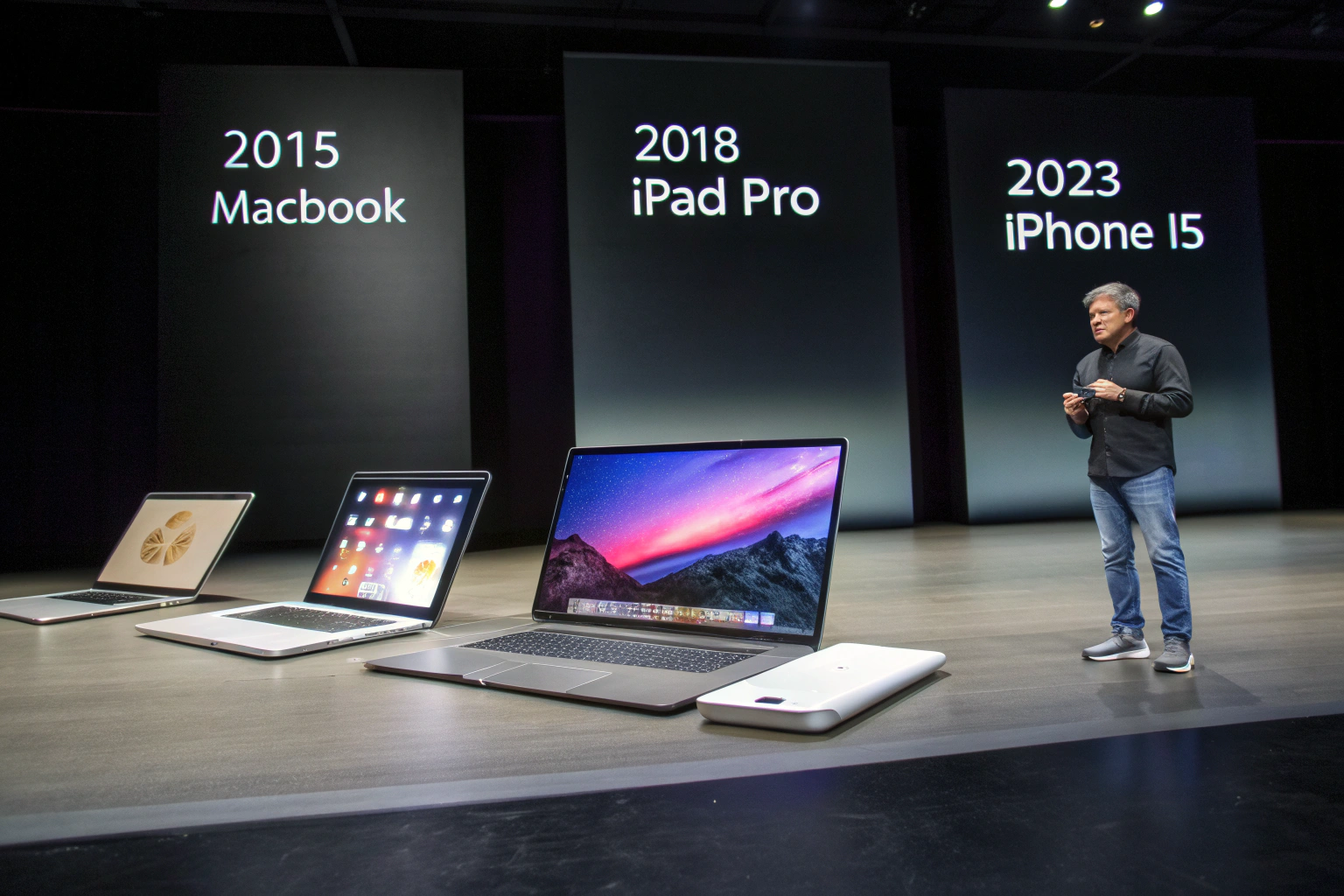 The timeline matters. In 2015 Apple introduced a 12‑inch MacBook with a single USB‑C[^1] port. Later, Apple made the MacBook Pro[^5] and MacBook Air move to multiple USB‑C[^1] / Thunderbolt ports. In 2018 Apple launched the iPad Pro with USB‑C[^1], replacing Lightning on that model. Over the next years, other iPad models followed. The big change for millions of iPhone users happened when Apple announced the iPhone 15 lineup in 2023 with USB‑C[^1] on all models. That change followed regulatory pressure and a desire to align with the wider USB ecosystem. Each product line followed its own schedule based on design needs and internal plans.
Is USB-C actually better than Lightning?
I compared specs, real-world use, and ecosystem effects to decide.
USB‑C[^1] is more versatile and standardized than Lightning. It supports higher power delivery, faster data speeds, and broad accessory compatibility[^6]. For many users, USB‑C[^1] is the practical improvement.
USB‑C[^1] is a common connector across laptops, phones, tablets, and accessories. That reduces cable clutter. USB‑C[^1] supports higher power levels through USB Power Delivery (PD)[^7]. That enables faster charging for larger devices and laptops. It also supports higher data rates with USB 3.1/3.2 and Thunderbolt 3/4[^8] standards when implemented. Lightning was smaller and worked well for iPhone for many years. Apple controlled the Lightning ecosystem and offered accessory consistency. Lightning limits data and power compared with modern USB‑C[^1] implementations. In practice, the benefits you feel depend on the specific device and port implementation. A USB‑C[^1] port with USB 2.0 wiring only improves connectors, not speed. A USB‑C[^1] port wired for Thunderbolt or USB 3.x delivers much faster transfers and higher power. For users, the main wins are one-cable compatibility, faster charging on supported devices, and access to a broader accessory market. I found USB‑C[^1] especially useful when I could use the same cable for my laptop, tablet, and phone.
Transition Paragraph. I tested transfer speeds and charging rates to see real differences in daily use.
Which Apple device was the first to use USB-C?
I checked the product that first introduced the new port.
The first Apple device to ship with USB‑C[^1] was the 12‑inch MacBook, announced in March 2015.
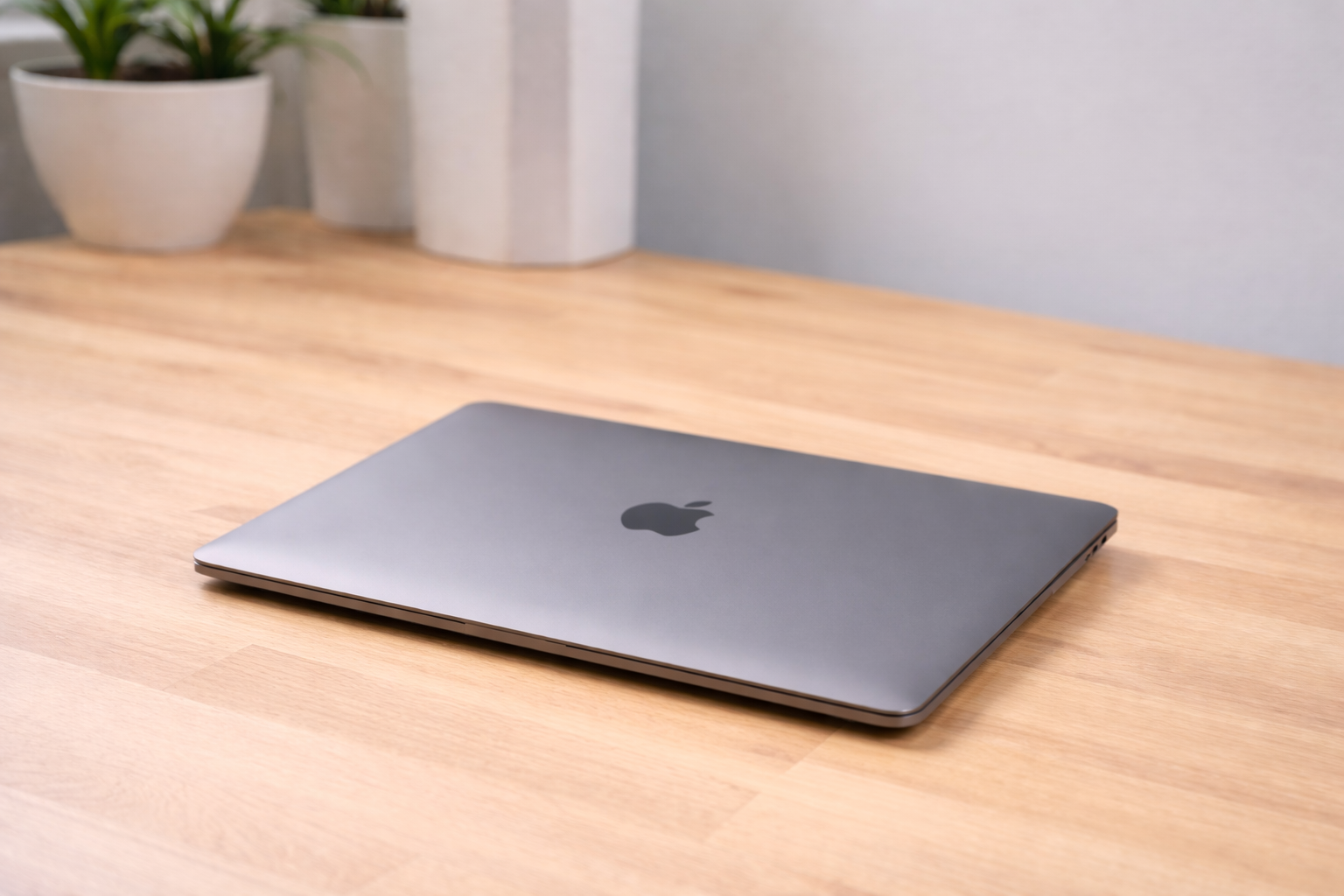 That 2015 MacBook used a single, reversible USB‑C[^1] port for charging, data, and video. Apple later introduced USB‑C[^1] on MacBook Pro[^5] models and then on iPad Pro in 2018. The MacBook’s adoption signaled Apple’s early move toward USB‑C[^1], but the firm kept Lightning on many smaller devices for several more years. The first widespread consumer-facing shift for iPhones came only in 2023. The staggered rollout let Apple test the connector in laptops and tablets before applying it to the iPhone.
I re-read the announcements to be sure of dates and product names before writing this.
Conclusion
Apple’s journey from the Lightning connector[^2] to USB-C has been gradual but inevitable. The transition began with the 12-inch MacBook in 2015, followed by the MacBook Pro[^5] and iPad Pro. In 2023, Apple finally adopted USB-C for the iPhone 15 series[^4], aligning with global standards and EU regulations.
USB-C offers clear advantages over Lightning, including faster data transfer, higher power delivery, and better compatibility with a wide range of devices. For consumers, this shift means fewer cables, faster charging, and a more future-proof solution for their tech needs. While Lightning served its purpose well over the years, USB-C is poised to lead the way in the future of charging and data transfer.
[^1]: Explore the benefits of USB-C, including faster data transfer and better compatibility, to understand why it's becoming the standard. [^2]: Learn about the differences between Lightning and USB-C to see why many users are transitioning to the latter. [^3]: Investigate the differences in data transfer speeds to see why USB-C is preferred for modern devices. [^4]: Discover the new features of the iPhone 15 series and how USB-C enhances its functionality. [^5]: Find out the timeline of USB-C adoption in MacBook Pro models and its impact on users. [^6]: Learn how USB-C's universal standard simplifies accessory use across devices. [^7]: Understand how USB Power Delivery enhances charging speeds and device compatibility. [^8]: Explore the capabilities of Thunderbolt 3 and 4 to see how they improve data transfer and connectivity.