The iPhone 15 models support fast charging through USB-C Power Delivery (PD), which allows the phone to charge at higher wattages compared to traditional chargers. However, there is a maximum wattage that the iPhone 15 can handle:
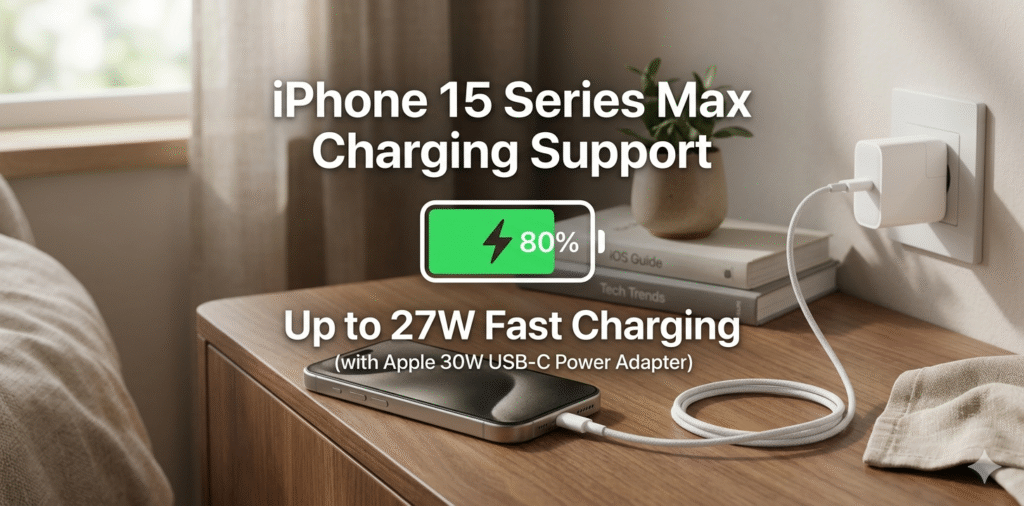
The iPhone 15 can support up to 27W of charging power via USB-C Power Delivery. This means that when you use a compatible charger that provides 27W or higher, the iPhone 15 will charge at the fastest speed it is capable of. While the iPhone 15 does support fast charging, it is limited by the phone's internal battery management system, which will throttle the charging speed once the battery hits around 80-90% to protect the battery from heat buildup and preserve its long-term health.
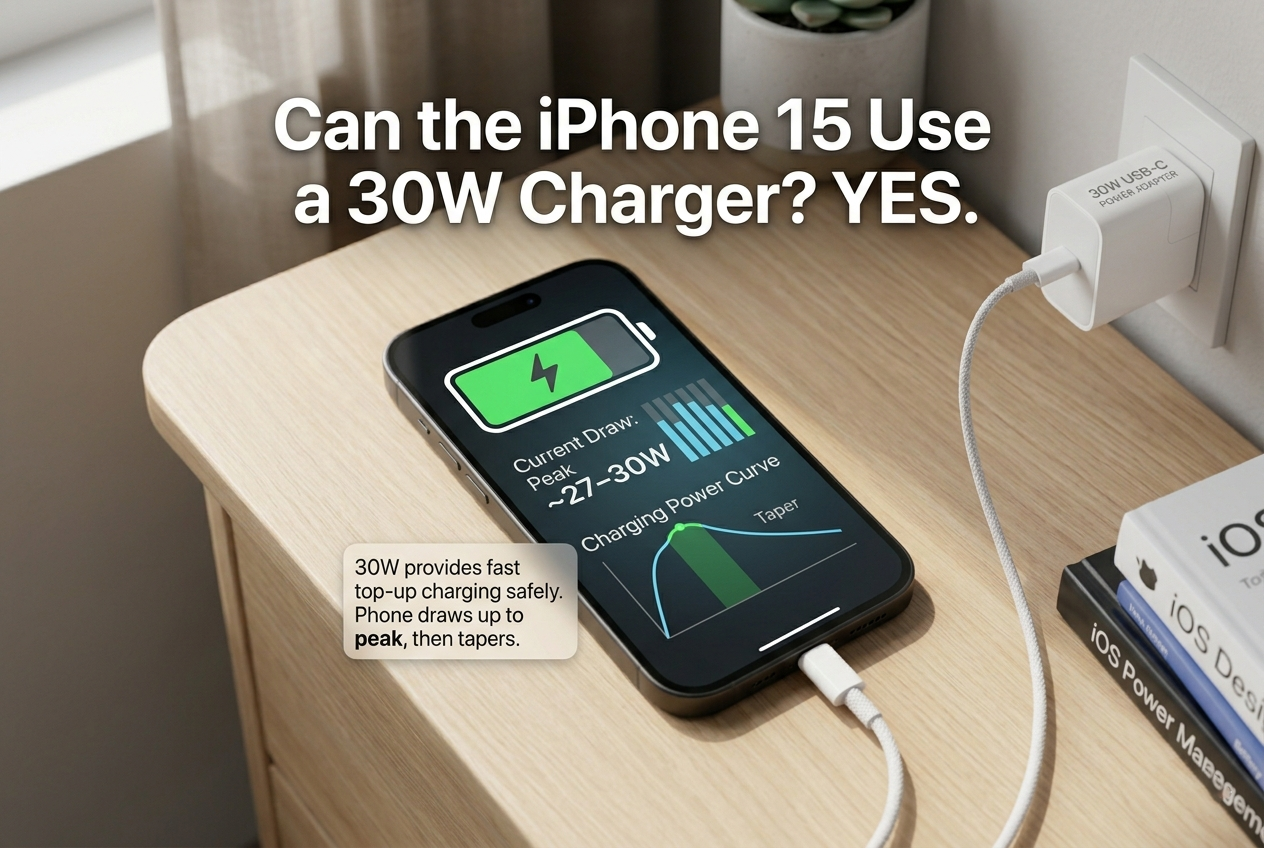
The iPhone 15[^1] charges fastest around 27–30W in real conditions. Apple uses USB Power Delivery[^2]; the phone negotiates the power it needs and limits draw to protect the battery.
I tested chargers and watched the battery curve. That made the practical limit clear.
Stop reading now if you only need a quick takeaway. Read on if you want the facts, the reasons, and safe charger choices.
What is the maximum watt an iPhone 15[^1] can take?
In practical tests the iPhone 15[^1] draws about 27–30W at peak. The exact number varies with battery level, temperature, and software limits. The phone will throttle power to protect battery health.

I watched the charging curve[^3]. It climbed fast early, then tapered as expected.
charging curve[^3], battery management[^4], and factors that change peak power Charging speed is not a single fixed number. The iPhone 15[^1] uses USB Power Delivery[^2] (PD) and negotiates voltage and current with the charger. At low battery levels and normal temperature, the phone can take roughly 27–30W during the initial fast charging phase. This phase often covers charging from 0% up to about 50–60%. After that, the phone reduces current to slow charging and protect battery life. Several factors change peak power. First, battery temperature matters. If the battery is warm, the phone reduces charging power. Second, state of charge matters. Near full capacity the phone tapers power. Third, background load or using the phone while charging reduces available power for charging. Fourth, cable quality[^5] and connector type can limit current. Finally, software updates and battery health state may change charging behavior[^6] over time.
Can the iPhone 15[^1] take a 30W charger?
I needed to know if 30W is useful or overkill.
Yes. The iPhone 15[^1] works well with a 30W USB-C PD charger[^7]. The phone will draw up to its peak (about 27–30W) and then taper. A 30W charger gives fast top-up charging safely.
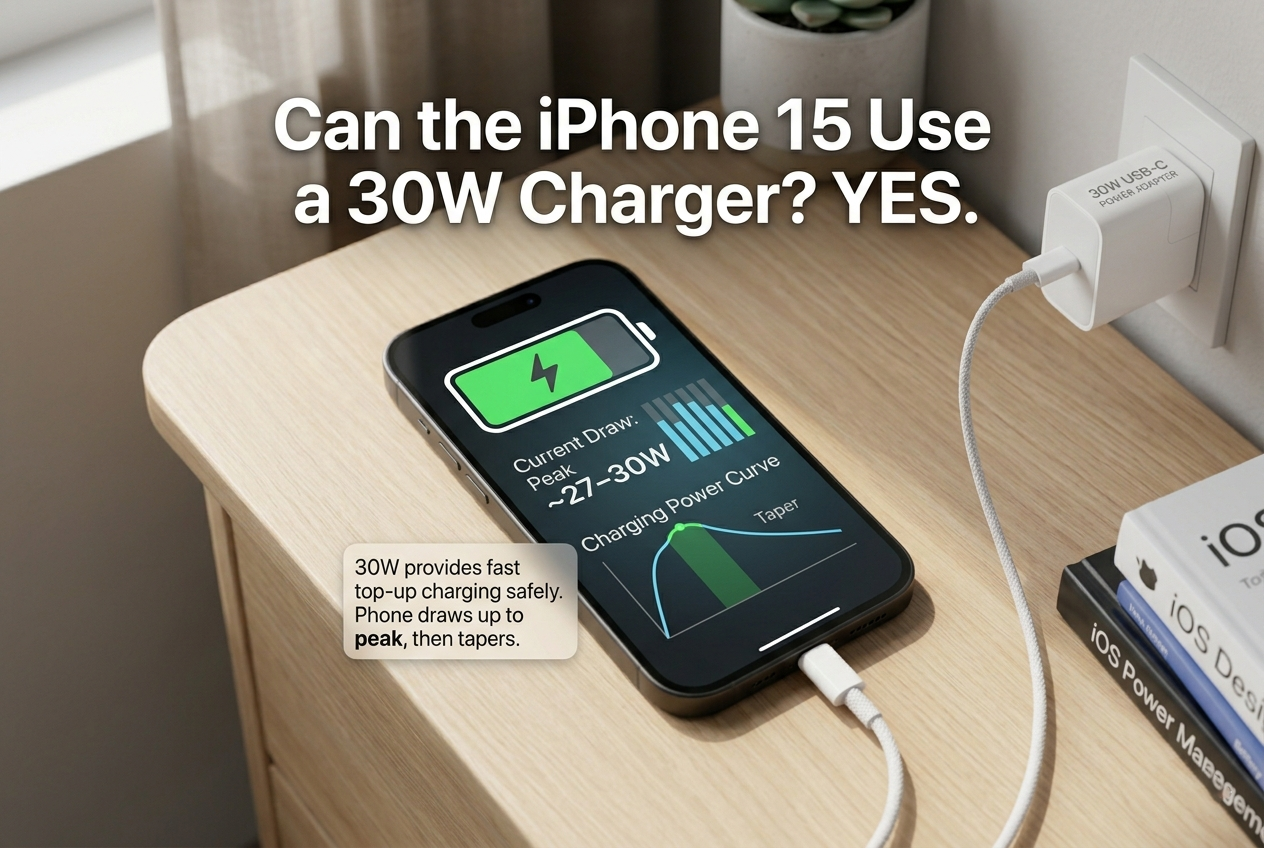
I pack a 30W PD charger for travel. It tops my phone quickly and fits my light laptop too.
why 30W is a good practical choice and when you might not reach peak A 30W PD charger provides the right headroom for the iPhone 15[^1] to draw its peak power without stressing the charger. The PD handshake tells the phone which voltages and currents are available. The phone requests what it needs and the charger supplies it. In practice, the phone pulls peak current only when the battery is low and temperature is within safe limits. If you use the phone while charging, or if ambient temperature is high, the phone will draw less power. Cable quality matters too. Use a good USB-C to USB-C or USB-C to Lightning cable rated for PD. A cheap cable may limit current and reduce charging speed. For most users, a 30W charger is compact, affordable, and fast enough for daily use. It also handles tablets and small laptops in many cases.
Can I use a 65W charger for my iPhone 15[^1]?
I worried a bigger brick might harm the battery.
Yes. You can use a 65W USB-C PD charger. The iPhone 15[^1] will only draw the power it requests. A compliant PD charger is safe and convenient for charging multiple devices.
I use a 65W GaN charger[^8] for my laptop and phone. It is convenient and works without issue.
PD negotiation[^9], safety, and best practices with high-watt chargers USB Power Delivery[^2] is a negotiation protocol. The charger advertises available voltage and current levels. The iPhone requests the level it needs. A 65W charger simply offers more capacity. It does not push full power into a phone. That makes high-watt chargers safe to use with smaller devices. There are benefits. One charger can power a laptop and a phone, cutting what you pack. GaN charger[^8]s are compact and efficient. Still, follow best practices. Buy chargers from reputable brands. Look for PD compliance and safety features[^10] like over-voltage, over-current, and thermal protection. Use quality USB-C cables rated for the intended wattage. Even though the iPhone draws only 27–30W, if you later charge a laptop at high wattage, use a cable rated for 60–100W. Avoid cheap, uncertified chargers and cables. They may misreport PD capabilities or lack protections. With proper gear, a 65W charger is safe and future-proof.
Which charger and cable should I pick?
I wanted a simple buying rule.
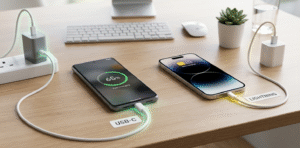
Pick a PD-capable charger (30–65W) from a trusted brand[^11] and a USB-C cable rated for PD. For travel, a 30W charger is enough for phones; 45–65W is better if you also carry a laptop.
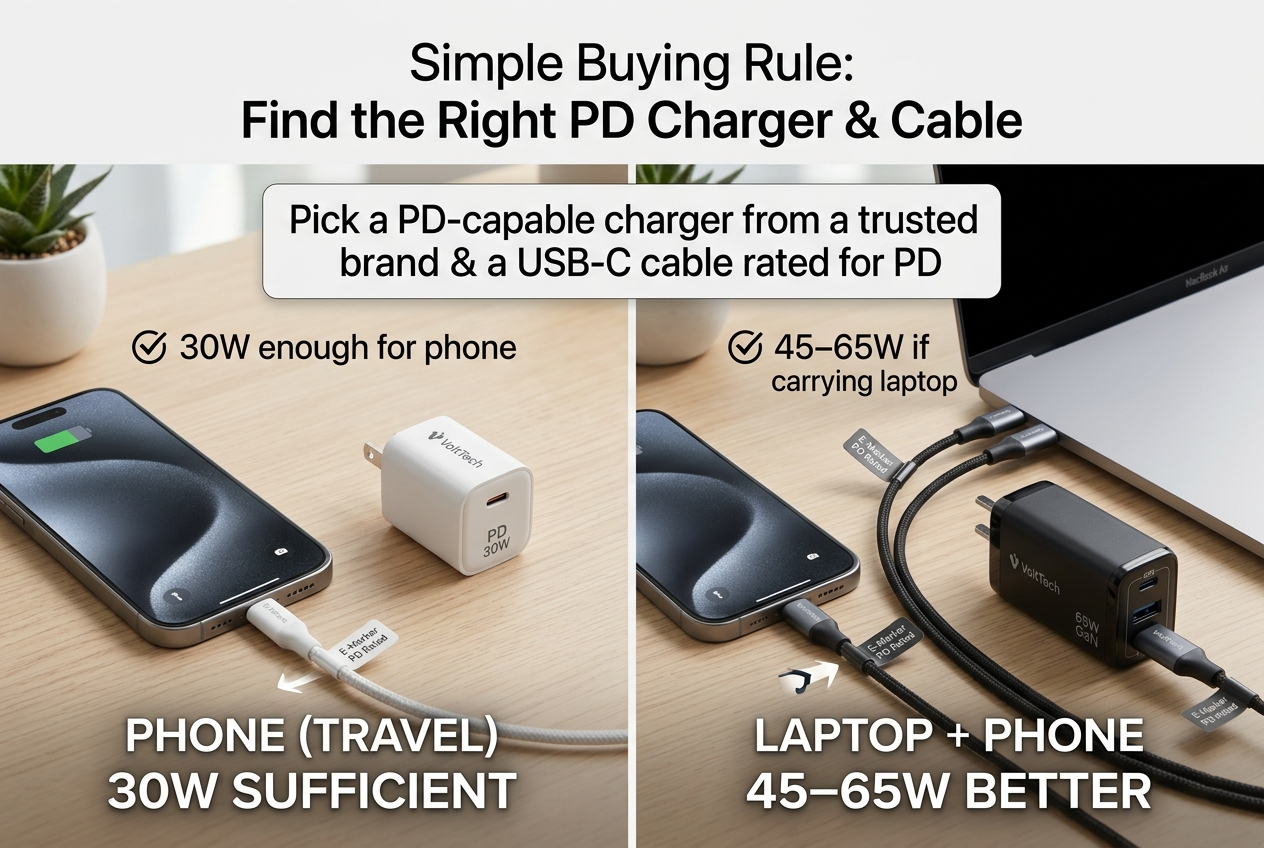
I carry a 65W GaN brick plus one short USB-C cable. It charges everything without fuss.
shopping checklist, ratings, and safety tips When shopping, check PD support and real-world reviews. GaN charger[^8]s are smaller and run cooler. A 30W PD charger works well for phone use and light tablets. Choose 45–65W when you want one charger for both phone and laptop. Confirm the charger lists PD 3.0 or compatible profiles. Look for safety certifications like CE and FCC. For cables, pick ones rated for PD at the needed wattage. For most phone use, a 60W-rated cable is fine. For laptops, pick 100W-rated cables if you plan to draw high wattage. Inspect cables for solid connectors and reinforced strain relief. Avoid cable and charger combos that have poor reviews or lack certifications. Finally, test the charger with your device at home before travel. That avoids surprises and ensures safe, fast charging in daily use.
Conclusion
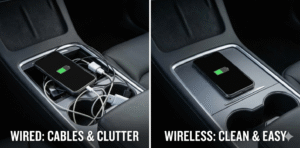
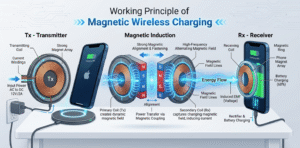
The iPhone 15 supports fast charging up to 27W via USB-C Power Delivery. 30W chargers are fully compatible but won’t charge the iPhone 15 any faster than a 27W charger. You can safely use a 65W charger, but the iPhone will only draw 27W. While MagSafe charging is convenient for wireless charging, wired charging with a USB-C PD charger is the fastest way to charge your iPhone 15.
By choosing the right charger and cable, you can ensure that your iPhone 15 charges safely, quickly, and efficiently.
[^1]: Explore the latest features and specifications of the iPhone 15 to understand its capabilities better. [^2]: Learn about USB Power Delivery technology to understand how it enhances charging efficiency. [^3]: Discover how charging curves affect battery performance and longevity. [^4]: Understand the importance of battery management systems in prolonging battery life. [^5]: Learn why using high-quality cables is crucial for optimal charging performance. [^6]: Understand the various factors that can affect how quickly your phone charges. [^7]: Find out why a 30W charger is a great choice for fast charging your devices. [^8]: Discover the advantages of GaN chargers, including size and efficiency. [^9]: Explore the process of PD negotiation to see how devices communicate their power needs. [^10]: Find out which safety features are essential for protecting your devices while charging. [^11]: Explore reputable brands to ensure you purchase safe and reliable charging equipment.