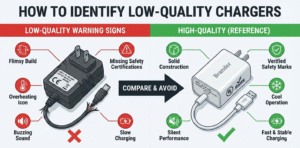
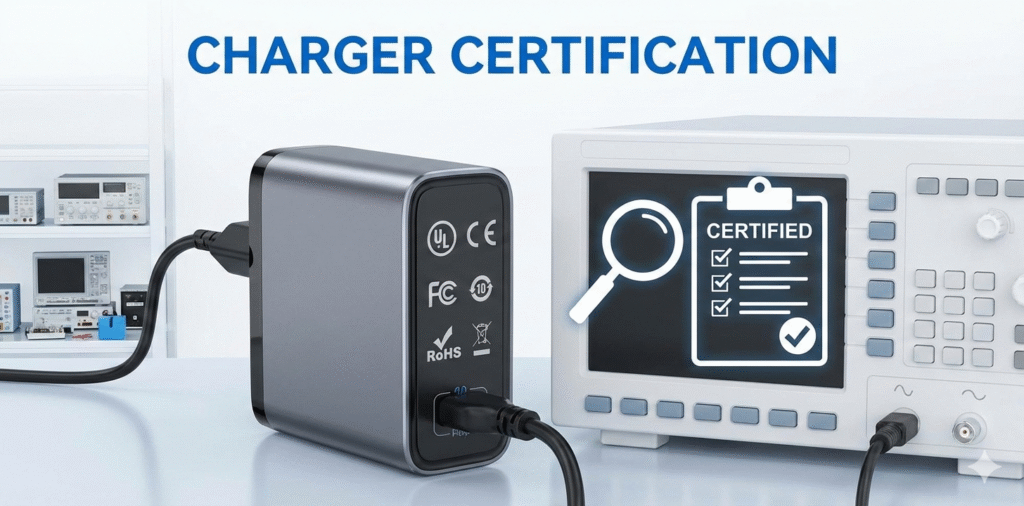
Charger certification is a formal recognition process that ensures a charger meets specific safety, performance, and environmental standards. This process is crucial for guaranteeing that chargers are not only safe to use but also compatible with the electrical systems of various regions and countries. Certification involves rigorous testing, inspection, and adherence to industry-specific standards, such as electrical safety, electromagnetic compatibility (EMC)[^1], and energy efficiency[^2].
Charger certification is the formal testing and approval process that proves a charger meets safety, electromagnetic, and regulatory rules for sale in a market.
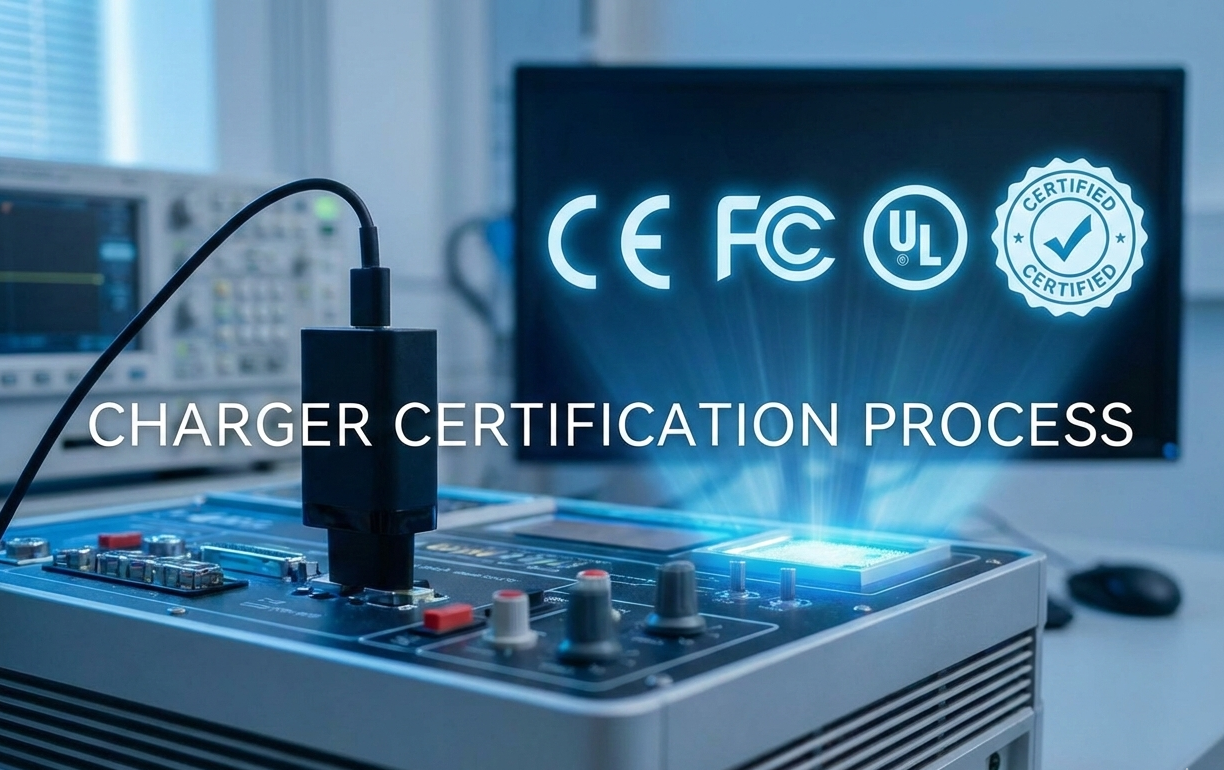
The certification process is carried out by authorized bodies that evaluate whether the product complies with the necessary standards. For manufacturers, obtaining the right certifications is an essential step for marketing and selling their products globally. It demonstrates the product's reliability, quality, and safety, and it often serves as a legal requirement for market access.Charger certification is an essential aspect of entering global markets, ensuring that products meet the necessary safety, performance, and environmental standards. By obtaining certifications such as CE, FCC, UL, and others, manufacturers can expand their reach, gain consumer trust, and comply with the varied regulations of different regions. For businesses, investing in certification not only facilitates market access but also helps to mitigate risks, improve product quality, and enhance brand reputation. Understanding the differences in certification requirements across countries and regions is crucial for businesses seeking to distribute chargers internationally.
The Importance of Charger Certification in Global Market Access
I explain why certification matters for sellers, buyers, and regulators in global trade.
Certification ensures the charger meets safety and technical rules for a target market, lets you legally sell products, reduces liability, and builds consumer trust internationally.
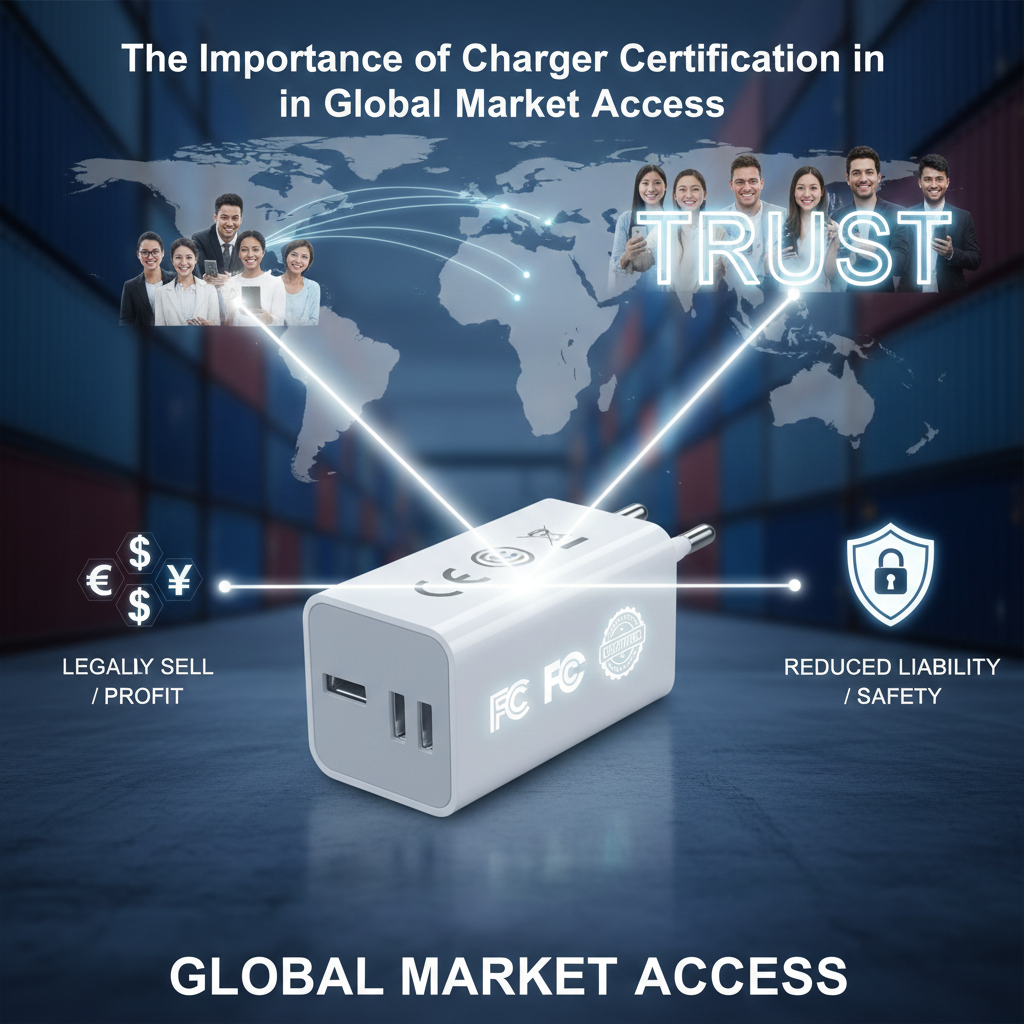
Without certification, a product can be barred from sale, recalled, or seized. Retailers and platforms often demand proof of compliance before listing. Certification also protects buyers and reduces brand risk from failures. For exporters, differing rules across regions require multiple marks or testing reports. Planning for certification early avoids redesigns and repeated lab tests. It also speeds customs clearance and retailer onboarding. For small brands, certification opens doors to large distributors and contracts. For consumers, a certified charger means lower risk of fire, electric shock, or interference with other devices. For manufacturers, certification helps identify design flaws early through pre-compliance testing. This reduces field failures and warranty costs.
Overview of Common Charger Safety Certifications (CE / FCC / UL, etc.)
I list major certification marks, what they cover, and why they matter for chargers.
Common marks include CE (EU safety and EMC), FCC (US EMC), UL (US safety), ETL/Intertek (US safety), CCC (China Compulsory), PSE (Japan), KC (Korea), and BIS (India). Each focuses on safety, electromagnetic compatibility, or both.
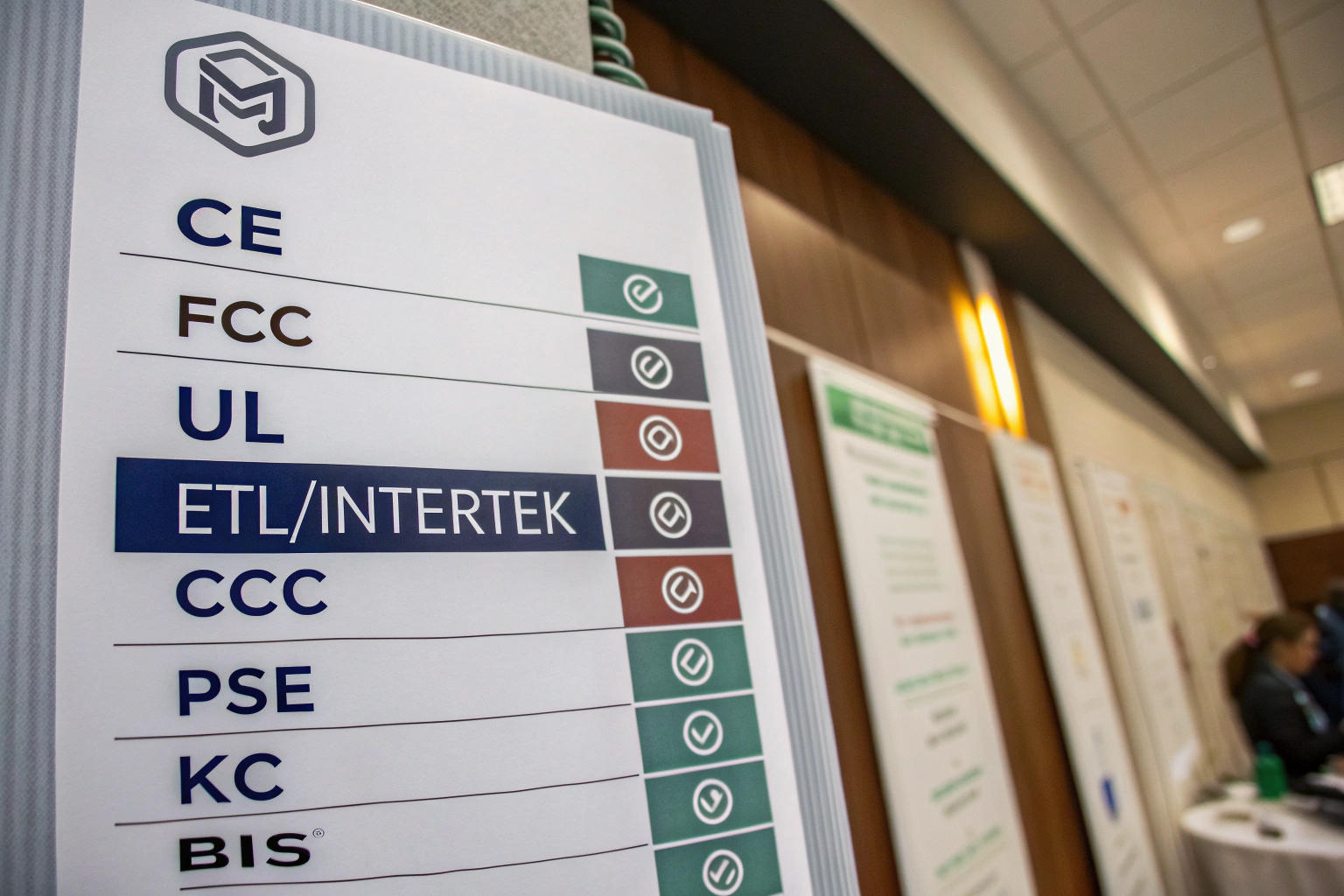
CE (European Union) — CE marks show compliance with EU directives for safety (LVD) and electromagnetic compatibility (EMC)[^1]. CE requires technical files, risk assessments, and often third-party testing for complex products. FCC (United States) — FCC focuses on radio frequency emissions and EMC. Chargers with switching power supplies can produce interference and need FCC testing. UL (Underwriters Laboratories) and ETL (Intertek) — These are third-party safety marks commonly required by US retailers. They test for electrical shock, fire hazards, temperature rise, and construction. UL is widely recognized and can include component-level and system-level tests. CCC (China Compulsory Certification) — CCC is a mandatory mark for many electrical goods sold in China. It covers safety and product quality. PSE (Japan) — PSE is required for many electrical products in Japan and focuses on electrical safety. KC (Korea) — Korea Certification covers safety and EMC for products sold in South Korea. BIS (India) — Bureau of Indian Standards certification is required for certain power adapters and chargers sold in India. RoHS and REACH — While not safety marks, RoHS (restriction of hazardous substances) and REACH address materials and environmental compliance in many markets. Battery and wireless charging standards — If a charger integrates wireless charging or battery cells, additional standards (Qi, IEC 62368-1, UN38.3 for batteries in transport) may apply. To comply, manufacturers gather test reports, create technical documentation[^3], label products correctly, and often work with accredited labs.
Differences in Charger Certification Requirements Across Countries and Regions
I compare regional differences and give practical guidance for multi-market compliance.
Certification rules vary by region in scope, required marks, testing focus, and process. Plan for target markets early, and budget for multiple tests or mutual recognition[^4] where available.
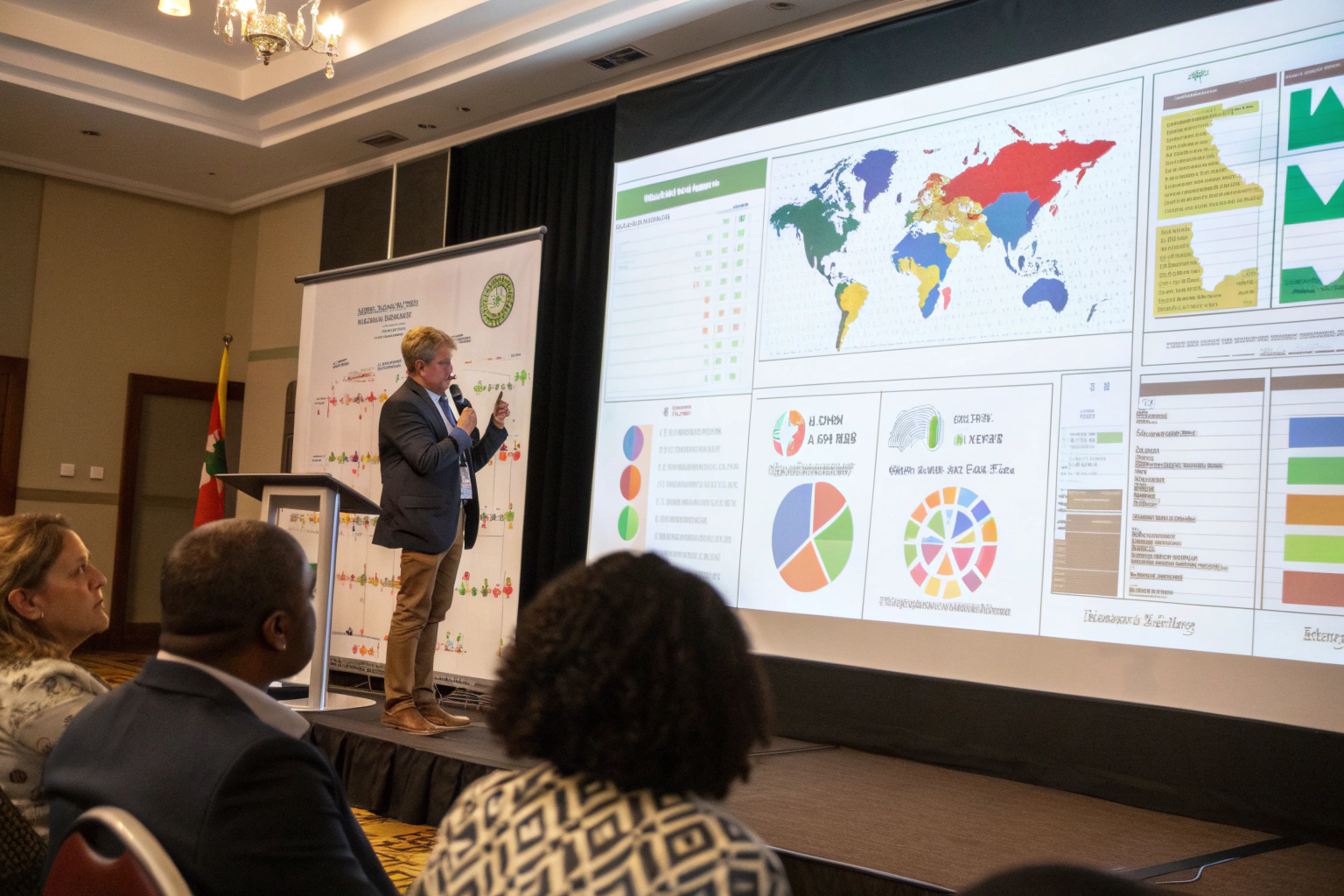
Scope and focus differ. Europe (CE) demands a conformity assessment and technical file with safety and EMC coverage. The US relies heavily on FCC for EMC and on safety marks like UL or ETL for retailers. China requires CCC for many products and enforces customs checks. Japan’s PSE focuses strictly on electrical safety. India and Korea have their own mandatory marks and processes. Test limits and standards may differ. For example, EMC emission limits are stricter in some regions. Some regions accept international standards (IEC 62368-1 for audio/AV and IT equipment) as baseline safety criteria. However, local marking, documentation, and registration can still be required. Mutual recognition and CB scheme. The IECEE CB Scheme helps with multi-country recognition of test reports and speeds up national approvals. A CB test report from an accredited lab can reduce re-testing in many countries that accept CB. Still, national deviations and administrative steps may remain. Administrative process differences. CE often allows a manufacturer’s self-declaration for low-risk items, while the US and some retailers insist on third-party safety marks. China and some markets require factory inspections and local testing. Practical steps. Determine target markets first. Use the CB scheme where possible. Work with reliable test labs and certification bodies. Keep thorough technical documentation[^3], component certificates, and production process records. Factor certification time and cost into product launch timelines. Plan for local labeling, import documentation, and any post-market surveillance[^5] obligations.
I always map certification needs to target markets early to reduce surprises and speed product launch.
Conclusion
Charger certification is an essential aspect of entering global markets, ensuring that products meet the necessary safety, performance, and environmental standards. By obtaining certifications such as CE, FCC, UL, and others, manufacturers can expand their reach, gain consumer trust, and comply with the varied regulations of different regions. For businesses, investing in certification not only facilitates market access but also helps to mitigate risks, improve product quality, and enhance brand reputation. Understanding the differences in certification requirements across countries and regions is crucial for businesses seeking to distribute chargers internationally.
[^1]: Learn about EMC to understand how it affects charger performance and compliance. [^2]: Discover the importance of energy efficiency in chargers for sustainability and marketability. [^3]: Technical documentation is key for certification; learn how to prepare it effectively. [^4]: Explore mutual recognition to simplify certification processes across different markets. [^5]: Post-market surveillance ensures ongoing compliance and safety; learn its importance.