
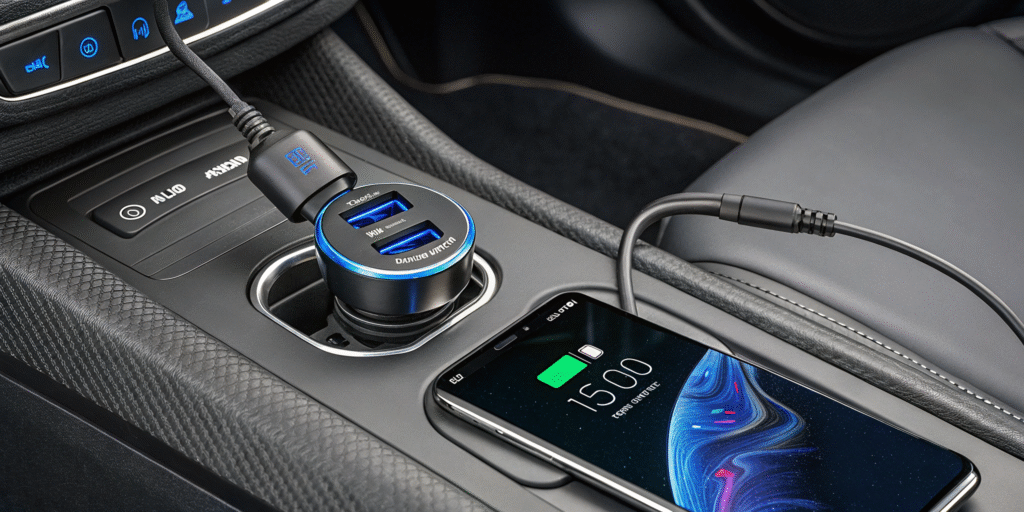
In modern driving, a USB car charger[^1] has become one of the most essential accessories. Whether you need navigation[^2], music, or simply want to keep your phone powered at all times, a USB car charger[^1] provides convenient and reliable charging[^3] on the road.
A USB car charger[^1] is a small adapter that plugs into a vehicle’s 12V socket[^4] and supplies USB power to charge phones, tablets, and accessories.
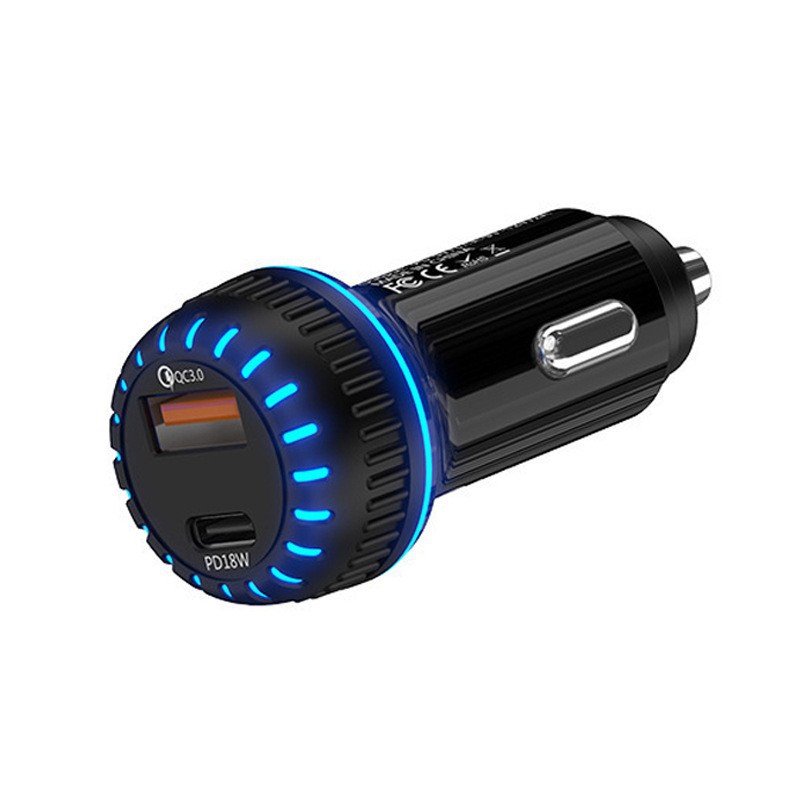
So, what exactly is a USB car charger[^1]? Can it harm your car battery? How does it work? And what benefits does it bring? Let’s break it down.
Will a USB car charger[^1] harm my car battery?
I worried about draining my car battery after many overnight stops.
No, a proper USB car charger[^1] will not harm a healthy car battery. It draws power only when the car socket is live. Problems occur if you leave devices charging[^3] with the engine off for long periods.
Most car USB sockets are tied to the ignition or accessory circuit. They turn off when the car is locked or the key is removed. A charger draws a small current, usually under 3 amps for fast phone charging[^3]. That is minimal compared to typical car battery capacity. The real risk is leaving multiple devices charging[^3] for many hours with the engine off. That can slowly drain the battery, especially if the battery is old or weak. Another risk is a poor-quality charger that leaks current or causes parasitic draw. I avoid leaving chargers plugged overnight and test my battery if it is older than three years.
What convenience does a USB car charger[^1] bring to our lives?
I use a car charger daily for navigation[^2], calls, and music.
A car charger keeps devices powered on the go. It enables navigation[^2], hands-free calls, music streaming, and emergency boosts without needing a wall outlet.
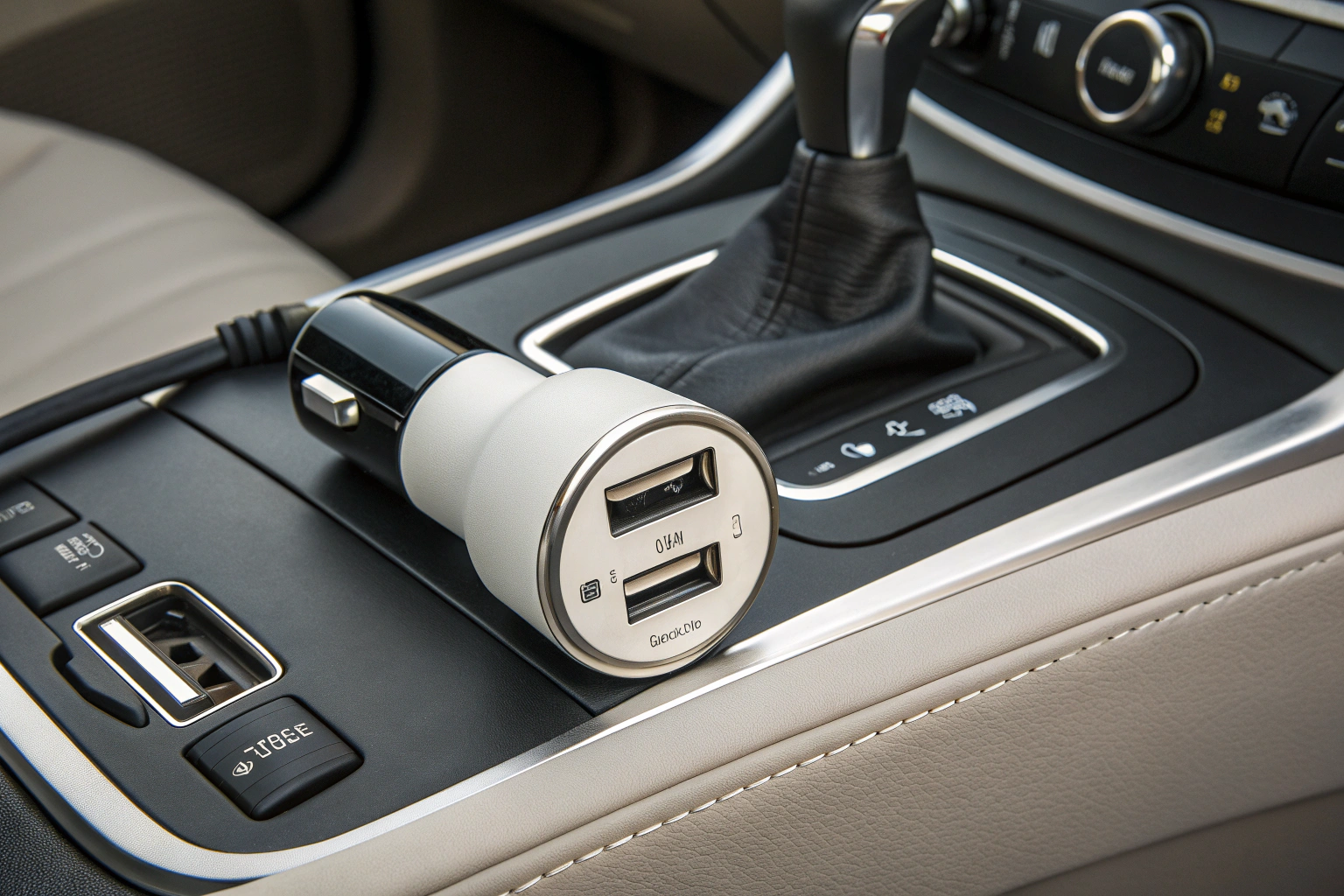
A reliable USB car charger[^1] gives real convenience. I use GPS apps that drain battery fast. Plugging in means I do not worry about the phone dying mid-route. I also run voice calls and stream playlists while charging[^3]. For business trips, I charge a power bank and laptop accessories. For families, it keeps tablets and toys running on long drives. Modern chargers with multiple ports[^5] let several passengers charge at once. Chargers with USB-C PD ports can even supply laptops or larger devices on long trips. This convenience matters for work, safety, and comfort. I pick chargers with enough ports and power for my needs and keep one in the glove box as a backup.
Does using a USB In-Car charger damage your car's battery?
I tested this by running a phone on charge while the car sat for hours.
Not in normal use. Damage happens only if you repeatedly drain the battery by charging[^3] with the engine off or use a faulty charger that draws extra current. Healthy batteries tolerate occasional charging[^3] while parked.
Car batteries are designed to start engines and handle small accessory loads. A USB charger uses low power compared to lights, heater blowers, or a running stereo. The main cause of battery damage is deep discharge cycles. If you often leave lights or accessories on and let the battery drop below recommended levels, that shortens battery life. Repeated slow drains from chargers can add to this if you leave devices plugged in for many hours. Another factor is battery age. Older batteries have lower reserve capacity and are more sensitive to drains. Finally, cheap chargers[^6] may lack proper isolation and can cause parasitic drain or electrical noise. I check my battery health[^7] regularly and unplug chargers when the engine is not running for long periods.
How does a USB car charger[^1] work?
I opened a cheap charger once to see the parts inside and learned the basics.
A USB car charger[^1] converts the vehicle’s 12V DC to regulated 5V (or higher for PD) DC for USB devices. It uses a step-down converter and control circuitry to manage voltage, current, and safety.
Inside the adapter is a DC-DC converter, usually a switching regulator. The regulator steps the 12V input down efficiently to the USB standard output. For regular USB outputs, it provides 5V at up to 2.4A or more. For USB Power Delivery (PD)[^8] and Quick Charge (QC), the charger negotiates higher voltages like 9V, 12V, or even 20V with compatible devices. This negotiation happens over the USB data lines or the CC pin on USB-C. The control circuitry also monitors current and temperature. Good chargers include protections against short circuits, over-current[^9], and overheating. Cheaper chargers cut costs on filtering and safety. That can let electrical noise pass to the device or let the charger run hot. I prefer chargers with solid-state switching, good cooling, and safety markings[^10]. They charge faster, run cooler, and are safer for both devices and the car.
Practical tips when choosing and using a USB car charger[^1]
I learned these tips after trying multiple models and seeing differences clearly.
- Choose chargers from reputable brands with certifications like CE, FCC, or UL.
- Prefer USB-C PD ports if you need to charge laptops or fast-charge phones.
- Use cables rated for the required current[^11]; cheap cables limit speed.
- Avoid leaving devices charging[^3] for long periods with the engine off.
- Keep a spare in the glove box for emergencies and family trips.
- Check port count and total output wattage. Do not exceed the charger’s rated total output when using multiple ports[^5].
- Replace chargers that get hot or smell during use.
- If your battery is old, avoid relying on in-car charging[^3] when the engine is off for long times.
I follow these steps and rarely face battery issues. I carry a basic jumper kit[^12] for peace of mind on long trips.
Conclusion
A USB car charger[^1] is safe and useful when used properly. Avoid long charging[^3] with the engine off, pick quality chargers, and watch battery health[^7].
[^1]: Explore this link to understand the functionality and importance of USB car chargers in modern vehicles. [^2]: Discover how navigation systems integrate with USB chargers for a seamless driving experience. [^3]: Find expert tips on safely charging devices in your vehicle to avoid battery issues. [^4]: Learn about the 12V socket's role in powering devices in your car and its significance for USB chargers. [^5]: Discover how multi-port chargers enhance convenience for families and multiple device users. [^6]: Explore the potential dangers of low-quality chargers and why investing in quality matters. [^7]: Understanding battery health is crucial; explore this resource to learn how to maintain it effectively. [^8]: Dive into the details of USB PD technology and its advantages for fast charging. [^9]: Learn about the importance of over-current protection in chargers to ensure device safety. [^10]: Understand the importance of safety certifications to ensure you choose reliable chargers. [^11]: Learn how using the right cables can affect charging speed and device safety. [^12]: Find out how a jumper kit can be a lifesaver during unexpected battery issues on the road.