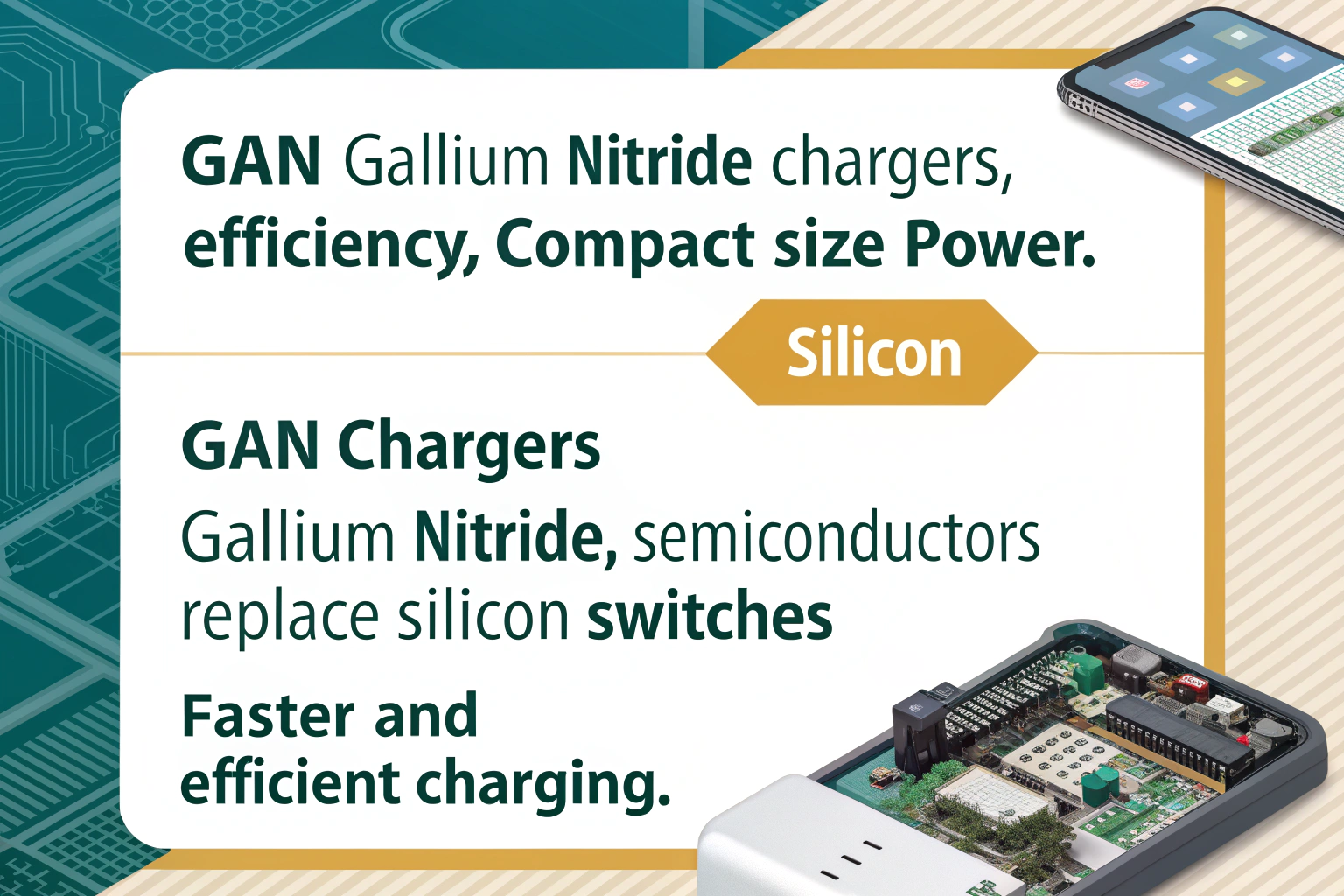
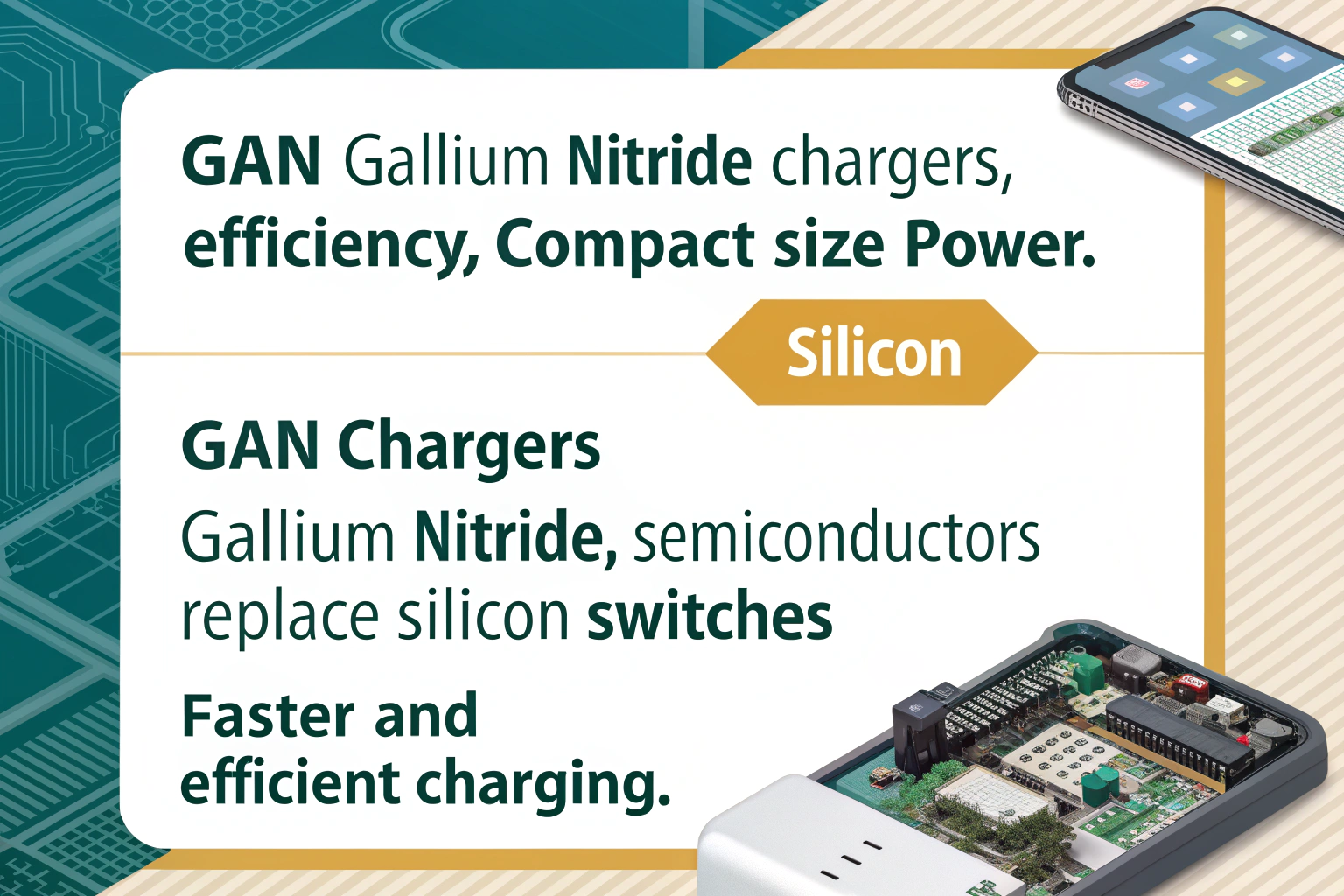
In recent years, GaN (Gallium Nitride) chargers have gained significant attention in the tech world. They're touted for being more efficient, compact, and powerful than traditional silicon-based chargers.
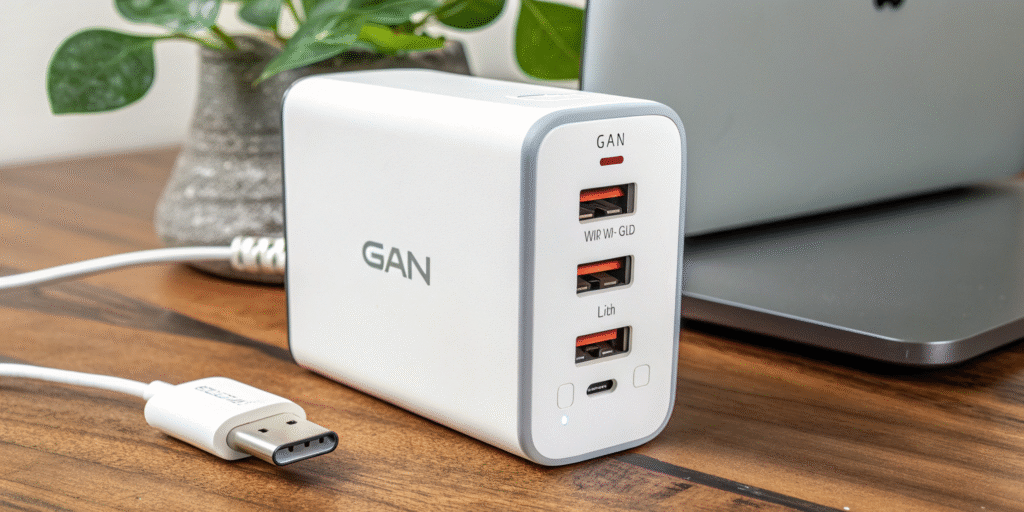
A GaN charger uses gallium nitride semiconductors[^1] to replace silicon switches. It lets chargers run smaller, cooler, and more efficiently at the same power.
But what exactly is a GaN charger? Are they really better? What are the downsides? And how do you ensure you’re using a safe GaN charger, especially with devices like your iPhone? In this article, we’ll answer these questions and provide practical tips for buying and using GaN chargers[^2].
Are GaN chargers[^2] actually better?
I tested a GaN brick against an older silicon brick and saw clear benefits.
Yes. GaN chargers[^2] are generally better in size, efficiency, heat, and power density. They deliver the same wattage from a smaller package and run cooler under load.
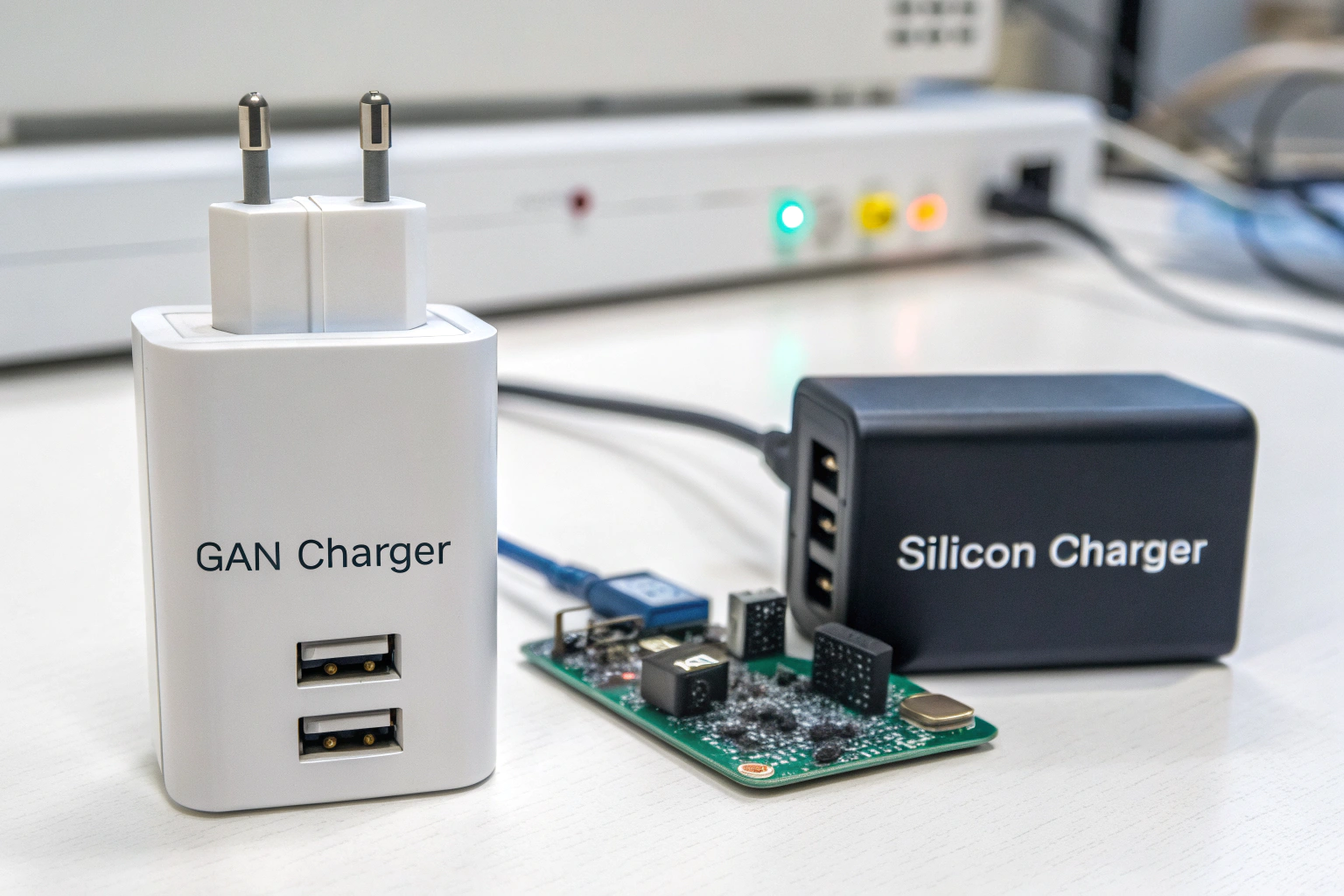
GaN transistors switch faster and have lower losses. That reduces heat and lets manufacturers use smaller transformers and capacitors. The result is a compact charger that still delivers high wattage. For travelers, a 65W GaN charger can be palm-size. For multi-device users, GaN means more ports in a small brick. Efficiency improvements also reduce waste heat. That makes GaN chargers[^2] easier to cool and more stable when charging multiple devices. Many modern GaN chargers[^2] support USB Power Delivery[^3] and PPS for fast charging across phones, tablets, and laptops. In real use, I noticed faster charge times for devices that support higher voltages. Overall, GaN gives practical advantages for everyday charging.
What are the disadvantages of a GaN charger?
I expected only benefits, but found a few trade-offs after using several models.
GaN chargers[^2] cost more, and quality varies by brand. Early cheap GaN designs had reliability issues. Also, some people worry about unfamiliar materials and long-term durability.
First, price. GaN components and newer designs cost more than mature silicon parts. Many brands charge a premium for compact GaN bricks. Second, quality inconsistency. Some low-cost GaN chargers[^2] cut corners on layout, filters, or thermal design. That can cause heat hotspots[^4] or early failure. Third, electromagnetic interference (EMI)[^5]. Faster switching can increase EMI if not properly filtered. Good designs counter that, but cheap models may not. Fourth, perceived long-term reliability[^6]. GaN as a material is robust, but the industry is relatively new. Some users prefer waiting for proven long-term track records. Fifth, device compatibility quirks[^7]. Some GaN chargers[^2] implement aggressive PD or PPS profiles. That usually helps, but rare devices may not behave well until firmware updates or better negotiation. I mitigate risks by buying GaN chargers[^2] from reputable brands[^8] and checking reviews for real-world reliability.
Are GaN chargers[^2] safe for iPhone?
I worried about using a new charger on an expensive phone at first.
Yes. GaN chargers[^2] are safe for iPhone when they use proper protocols like USB Power Delivery[^3]. Apple devices negotiate voltage and current and only draw what they need.
iPhones use USB Power Delivery[^3] and sometimes negotiate fast charge profiles. A certified GaN charger that supports PD will safely deliver the correct voltage. The phone and charger communicate before higher voltages or currents flow. That prevents over-voltage or over-current. I use GaN PD chargers with my iPhone for fast charging and see no issues. The important points are safety certifications[^9] and proper protocol support. Avoid cheap, uncertified chargers that lack PD compliance. Also use quality USB-C to Lightning cables that support PD. In short, a reputable GaN PD charger is as safe as a high-quality silicon PD charger for iPhone.
How do I know if my charger is GaN?
I checked labels, reviews, and teardown photos[^10] to confirm a charger used GaN.
Look for “GaN” on the product page or label, smaller size for high wattage, and manufacturer specs. Teardown photos and reviews also confirm GaN internally.
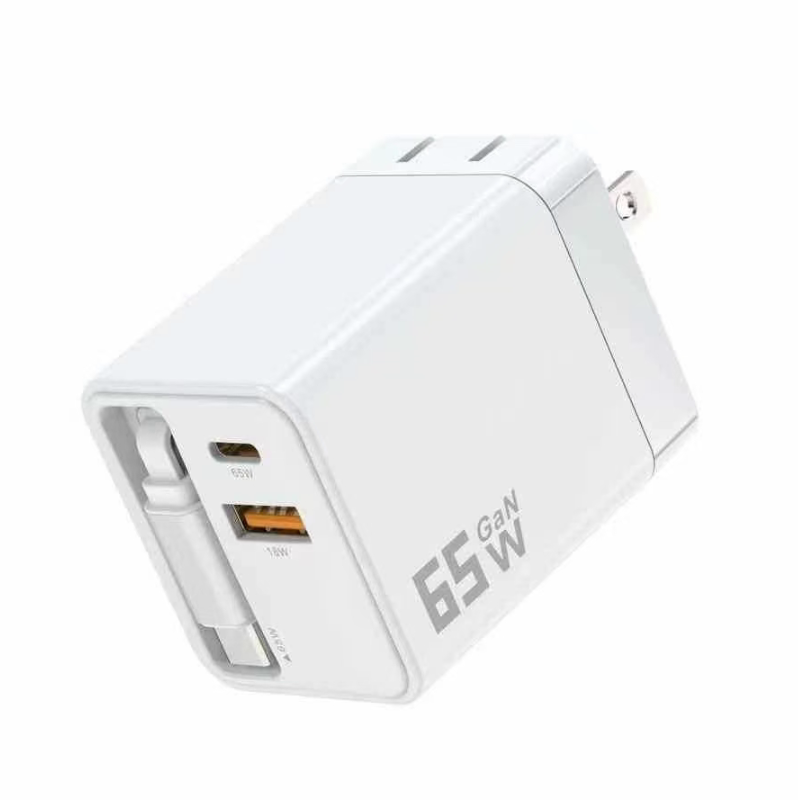
Most manufacturers advertise GaN prominently. Check the box, manual, or product page for “GaN” or “gallium nitride.” If a charger supplies high wattage (45W, 65W, 100W) from a small palm-size brick, it is likely GaN. Another sign is lower weight and less heat under load. For certainty, read trusted reviews or teardown articles that show the internal components. Teardowns identify GaN transistors and different board layouts. Also check the technical specs for high switching frequencies or efficiency claims. If still unsure, contact the manufacturer or seller and ask directly. I avoid guessing and buy from brands that clearly state their use of GaN and provide safety certifications[^9].
Practical buying and usage tips for GaN chargers[^2]
I chose GaN chargers[^2] that matched these simple rules.
- Buy from reputable brands[^8] with safety certifications[^9] (UL, CE, FCC).
- Prefer GaN PD chargers for multi-device fast charging[^11].
- Match charger wattage to your devices. Use 30–65W for phones and laptops, or 100W+ for heavy laptops.
- Use good cables rated for PD and voltage levels.
- Check reviews for long-term reliability[^6] and heat behavior.
- If you travel, choose compact GaN chargers[^12]s](https://www.reddit.com/r/UsbCHardware/comments/zx1ht7/trouble_understanding_gan_charger_benefits/)[^2] with foldable plugs and multiple ports.
- Replace chargers that run very hot or show signs of failure.
I keep one 65W GaN PD charger and one 30W GaN PD brick. They cover my phone, tablet, and light laptop needs. The small size and power make travel easy.
Conclusion
GaN chargers[^2] offer real benefits: smaller size, higher efficiency, and cooler running. Choose reputable brands[^8], check PD support for iPhone, and verify GaN through labels or reviews.
[^1]: Learn about gallium nitride semiconductors and their role in enhancing charger performance and efficiency. [^2]: Explore the advantages of GaN chargers, including efficiency and compactness, to understand why they are gaining popularity. [^3]: Discover how USB Power Delivery technology enables faster and safer charging for your devices. [^4]: Understand the factors leading to heat hotspots in chargers and how to avoid them for safer charging. [^5]: Explore the concept of EMI in chargers and its impact on device performance and safety. [^6]: Investigate the long-term reliability of GaN chargers and what to consider before purchasing. [^7]: Learn about potential compatibility issues with GaN chargers and how to ensure proper functionality. [^8]: Get tips on selecting trustworthy brands for GaN chargers to ensure quality and safety. [^9]: Find out which safety certifications are essential for ensuring the quality and safety of chargers. [^10]: Discover how teardown photos can provide insights into the internal components of chargers. [^11]: Explore the advantages of using GaN chargers for fast charging multiple devices simultaneously. [^12]: Learn why compact GaN chargers are ideal for travelers seeking efficiency and convenience.