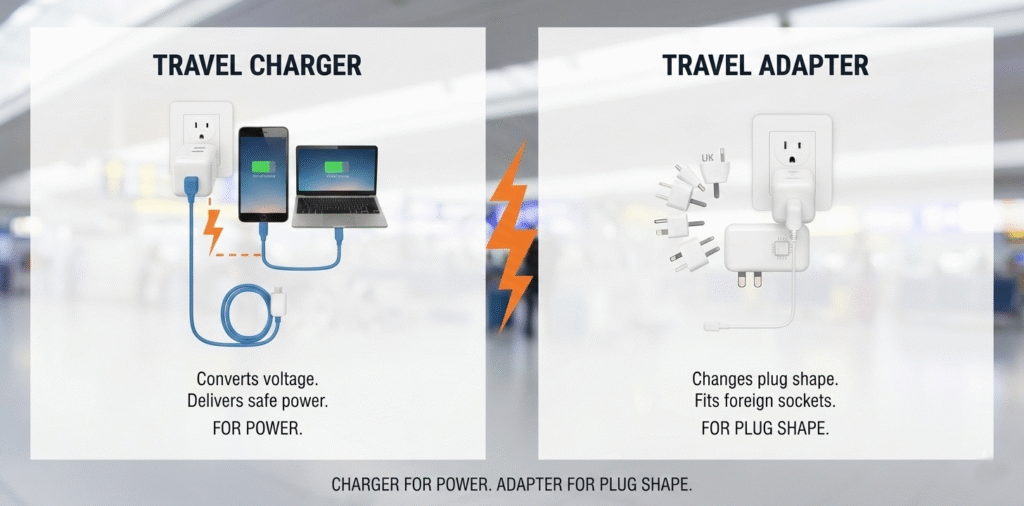
When traveling internationally, two common accessories that you'll often encounter are travel chargers[^1] and travel adapters[^2]. Although these terms are sometimes used interchangeably, they serve different purposes, and understanding the difference is essential to ensure your devices are powered safely and efficiently while abroad. I missed a flight because my charger didn’t fit the hotel outlet.
Travel chargers convert voltage and deliver safe power to devices; travel adapters[^2] only change the plug shape so your charger fits foreign sockets. Choose a charger for power, an adapter for plug shape.
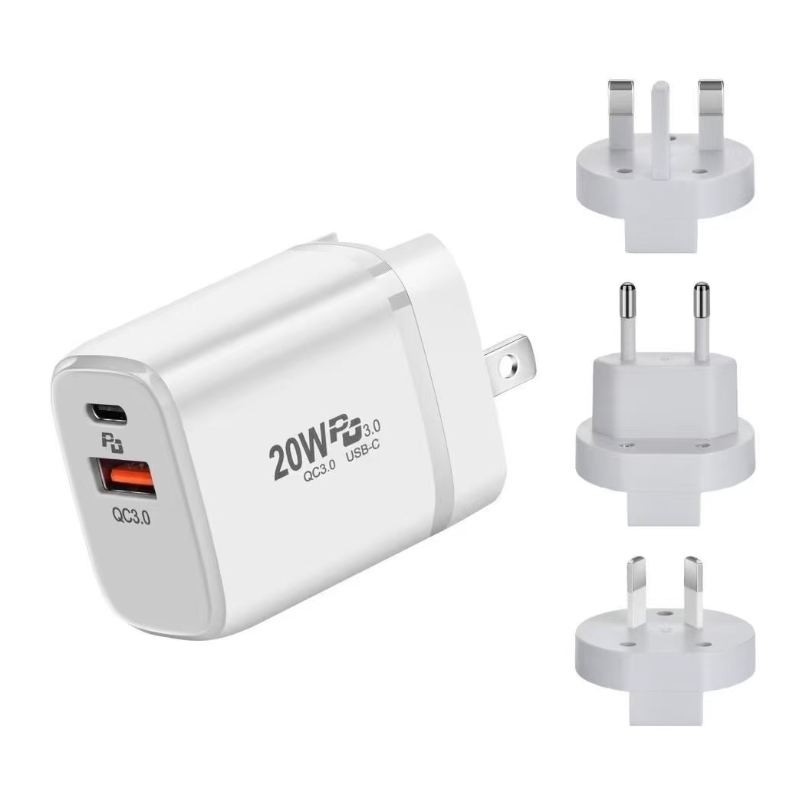
I once packed only a plastic plug adapter and found my cheap phone brick smoked on a 220V outlet. That day I learned the hard lesson: adapters and chargers are not the same. A travel charger handles voltage, power delivery, and safety. An adapter only reshapes the plug. Knowing the difference keeps your devices safe and your trip calm.
I now pack the right gear and check voltage, plugs, and power rating[^3]s before every trip.
The Difference Between Travel Chargers and Adapters
I compare function, risk, and when to use each so you avoid damage.
A travel charger supplies the correct voltage and current for your device and often includes USB ports, PD support, and safety features[^4]. A travel adapter simply fits the plug into a different socket but does not change voltage or protect the device.
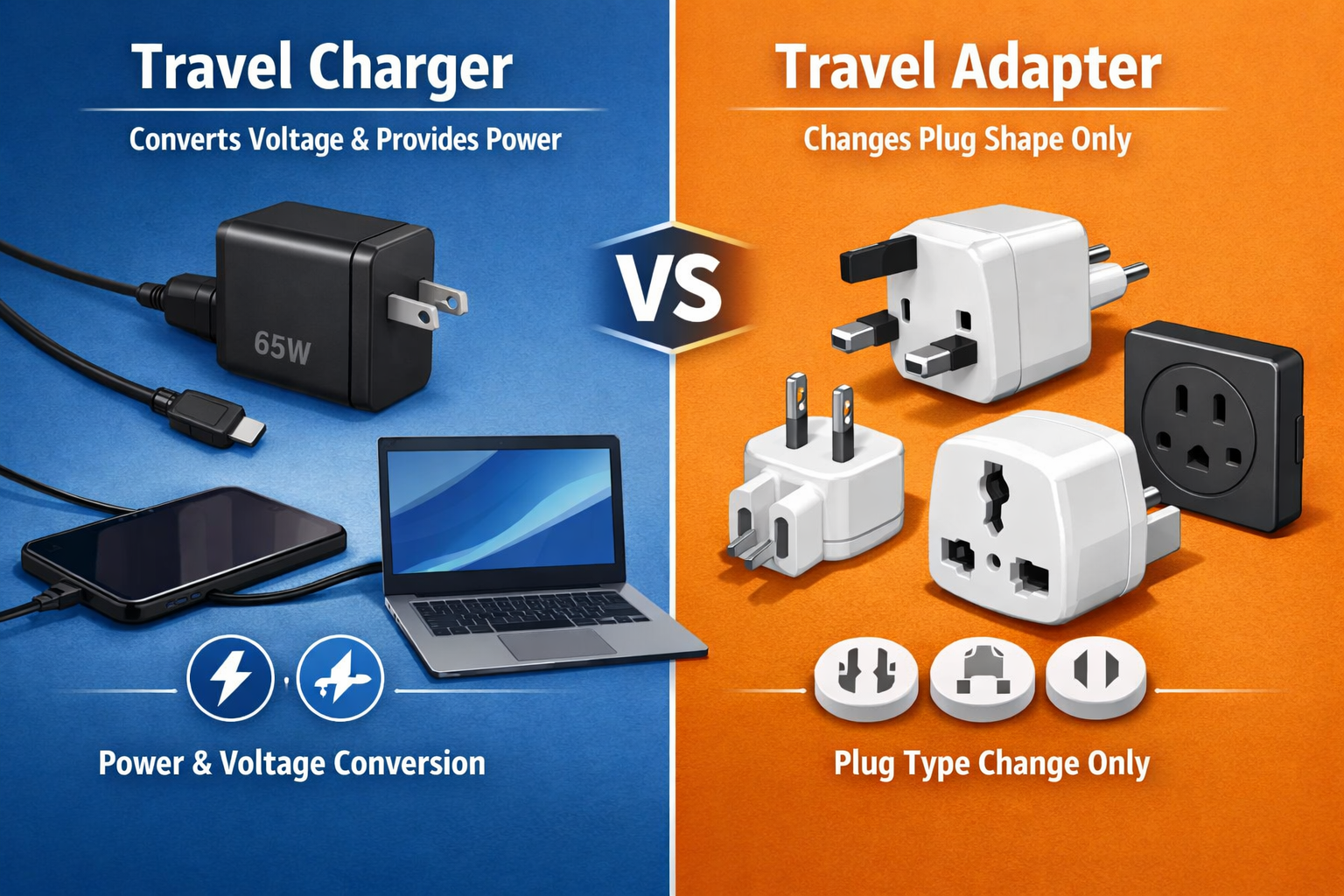
A travel charger often contains an AC-to-DC converter or a switch-mode power supply. It can accept 100–240V input and output stable 5V, 9V, 12V, or higher via USB Power Delivery[^5]. It may also manage heat, short circuits, and overcurrent. A travel adapter is a passive piece of plastic and metal. It only adapts the physical pins so the plug fits the socket. If your charger is rated only for 110V and you plug it into 220V through an adapter, you risk frying the charger and device. Many modern chargers are "worldwide" and accept 100–240V. For them, you only need a plug adapter in that country. For older or single-voltage chargers, you need a travel charger or a voltage converter[^6]. In short, use a travel charger when you need safe power conversion. Use a travel adapter only when your charger already supports the local voltage.
What is a travel charger?
I unpack the features, safety, and typical specs of travel chargers[^1] so you pick the right one.
A travel charger is an active device that converts AC mains to regulated DC and often supports multiple ports, USB Power Delivery[^5], and international voltage ranges for safe device charging abroad.
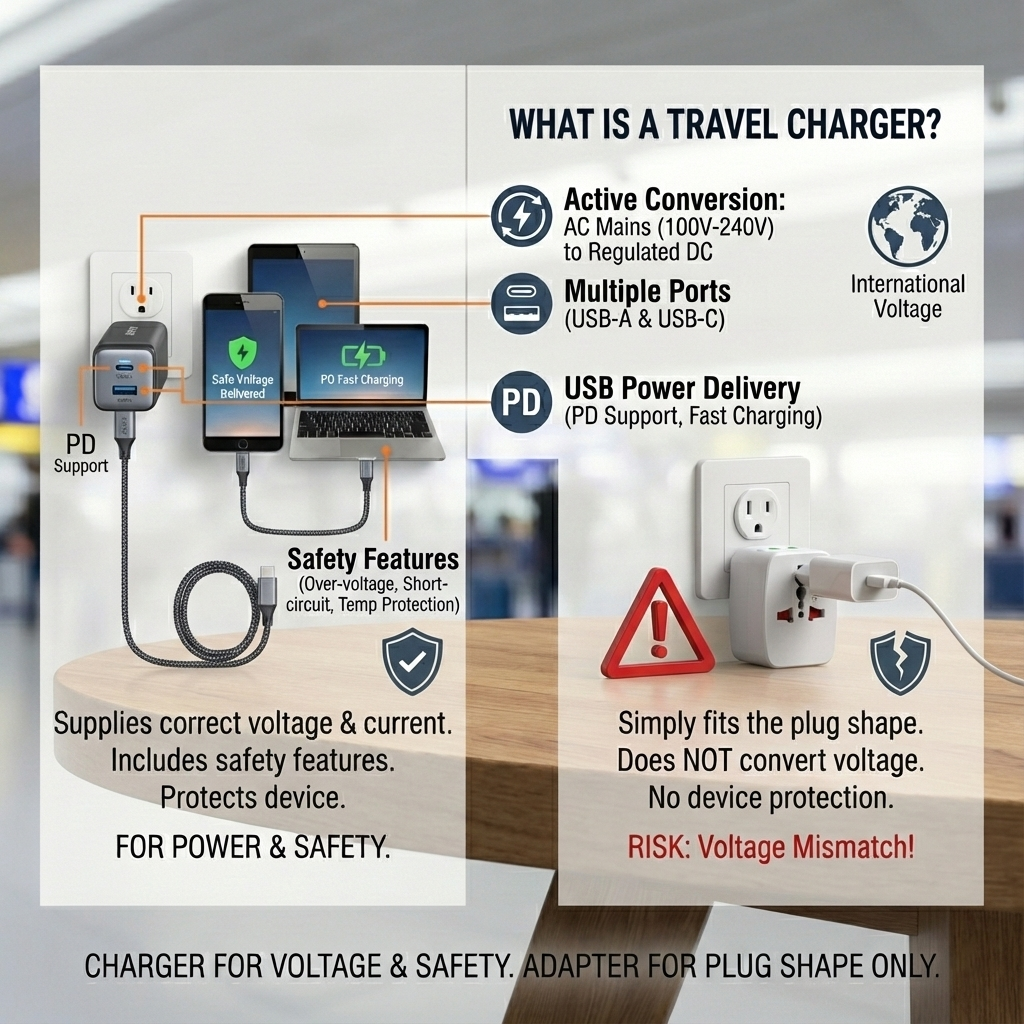
Travel chargers come in several forms: single-port USB bricks, multi-port PD chargers[^7], and combined charger-adapter units. Key specs to check:
- Input range: 100–240V ~ 50/60Hz means worldwide compatibility.
- Output types: USB-A, USB-C, PD up to 20V for laptops.
- Power rating: total watts, e.g., 65W, 100W, 200W for multi-device use.
- Safety features: over-voltage, over-current, short-circuit protection, temperature control[^8].
- Certifications: CE, FCC, UL, or local safety marks.
I look for chargers with GaN technology[^9]. GaN makes chargers smaller and cooler at higher wattage. A 65W GaN travel charger is light and can fast-charge a laptop and phone. If you plan to charge a laptop, pick a charger with PD and enough wattage. For phones and earbuds, a compact 30W PD charger is fine. Also check cable quality. A PD cable rated for the charger's wattage matters. Finally, a travel charger that lists 100–240V input means you usually only need a plug adapter for the local socket.
What is a travel adapter?
I explain the limits and safe use of plug adapters so you don’t accidentally harm your gear.
A travel adapter changes plug pin shape[^10] to fit foreign outlets. It does not convert voltage or regulate power. Use it only with devices and chargers rated for the local voltage.
Travel adapters vary by region: Type A/B for North America, Type C/E/F for many of Europe, Type G for the UK, Type I for Australia. Some adapters are simple plastic shells. Others combine multiple pin options in one unit. A few adapters include built-in surge protection[^11] or a USB charging block. Still, most adapters do not alter voltage. If your device or charger accepts 100–240V, the adapter is fine. If it only accepts 110V and you plug it into a 220V outlet with only an adapter, you will damage it. For high-power devices like hair dryers or irons, you may need a voltage converter[^6] or a travel charger that supports the higher wattage. Always check the label on your charger. It usually lists “Input: 100-240V” if it is universal. If you are unsure, I recommend bringing a universal travel charger[^12] with PD and sufficient wattage.
How to Choose the Right Travel Charger
I give a step-by-step checklist and practical tips so you pick the best travel gear for your trip.
Choose a travel charger based on device power needs, input voltage range, port types, wattage, size, and safety certifications. Carry a compact adapter only if your charger supports the local voltage.
Step 1 — Check device power needs
- Phone/earbuds: 18–30W is usually enough.
- Tablet: 30–45W recommended.
- Laptop: 45–100W depending on model. Add a margin for simultaneous charging of multiple devices.
Step 2 — Check charger input range[^13]
- Look for “Input: 100–240V” on the label. If present, your charger works worldwide with a simple plug adapter.
- If not, you need a voltage converter[^6] or a proper travel charger.
Step 3 — Pick port types and wattage
- Prefer USB-C with Power Delivery for modern devices.
- For multi-device travel, choose a charger with enough total wattage and smart power allocation.
- Consider GaN chargers for size and heat management.
Step 4 — Verify cable compatibility[^14]
- Use cables rated for the charger's wattage. For laptop charging at 65W or higher, pick a USB-C cable rated for 100W if possible.
Step 5 — Check safety and certification
- Choose chargers with CE, FCC, UL, or other local marks.
- Look for built-in protections and temperature control[^8].
Step 6 — Choose the right adapter if needed
- Buy a compact universal adapter or a country-specific adapter.
- If your charger supports 100–240V, a simple adapter is fine. If not, get a step-down voltage converter[^6].
Practical tips
- Keep a small pouch with one PD charger, one multiport charger, and a universal adapter.
- For short trips, a 65W GaN charger covers most needs.
- For international travel, pack a power strip with surge protection[^11] and a universal adapter to charge multiple devices in one outlet.
- Avoid cheap unbranded chargers. They can lack protections and fail on high-voltage mains.
I travel with a 65W GaN PD charger, a short PD cable, and one universal plug adapter so I stay prepared and safe.
Conclusion
Understanding the difference between travel chargers[^1] and travel adapters[^2] is essential for a seamless travel experience.
Travel chargers are designed to provide power to your devices through voltage conversion[^15] and plug compatibility, often including multiple USB ports for convenience.
Travel adapters, on the other hand, simply convert plug shapes to allow your existing chargers to fit into foreign outlets, but they do not affect the voltage.
When traveling, you may need both—a travel charger to charge your devices and a travel adapter to ensure your charger can fit into different outlets. By selecting the right charger and adapter for your trip, you can ensure that your devices stay powered up and you avoid any inconvenience while abroad.
[^1]: Explore the advantages of travel chargers to ensure your devices are powered safely and efficiently while traveling. [^2]: Learn how travel adapters function and why they are essential for fitting plugs into foreign outlets. [^3]: Get insights on how to choose the right power rating for your travel charger based on your devices. [^4]: Find out which safety features are crucial in travel chargers to protect your devices. [^5]: Discover how USB Power Delivery enhances charging efficiency and speed for your devices. [^6]: Find out when a voltage converter is necessary to prevent damage to your devices while traveling. [^7]: Learn about the advantages of multi-port PD chargers for charging multiple devices simultaneously. [^8]: Learn how temperature control features in travel chargers help prevent overheating. [^9]: Explore how GaN technology makes chargers smaller and more efficient for travel. [^10]: Discover how different plug pin shapes impact the use of travel adapters in various countries. [^11]: Learn about the importance of surge protection in travel adapters to safeguard your devices. [^12]: Explore the benefits of using a universal travel charger for hassle-free international travel. [^13]: Understand why the input range is vital for worldwide compatibility of travel chargers. [^14]: Understand the significance of using compatible cables for efficient and safe charging. [^15]: Understand the importance of voltage conversion in travel chargers for safe device charging.