Many people worry that wireless charging[^1] shortens battery life. I once debated tossing my wireless pad after a fast-drain scare.
No. Wireless charging is not inherently bad for batteries. Proper wireless charging[^1] that follows device and charger specs is safe. Heat and high charge cycles[^2] matter more than the charging method.
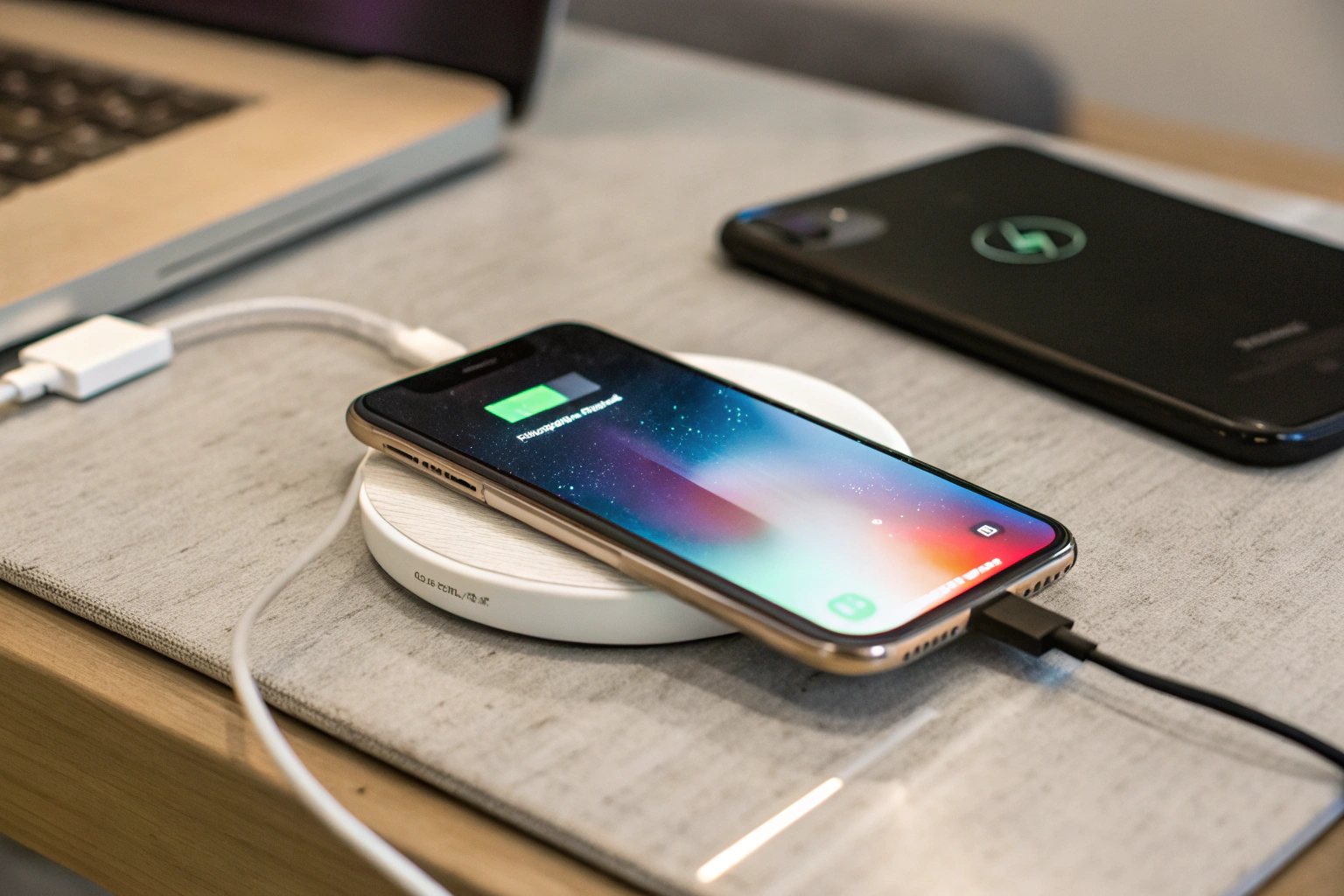
I used wireless charging[^1] every day for months and watched battery health[^3] closely. I learned to avoid high heat and to stop charging overnight on pads that produce heat. Keep reading to learn the real risks and how to protect your battery.
Is it okay to use wireless charging[^1] all the time?
I charged wirelessly all day once and saw higher heat than normal.
It is okay if the wireless charger[^4] is high quality and the device stays cool. Heat and constant top-up charging are the main concerns, not the wireless method itself.
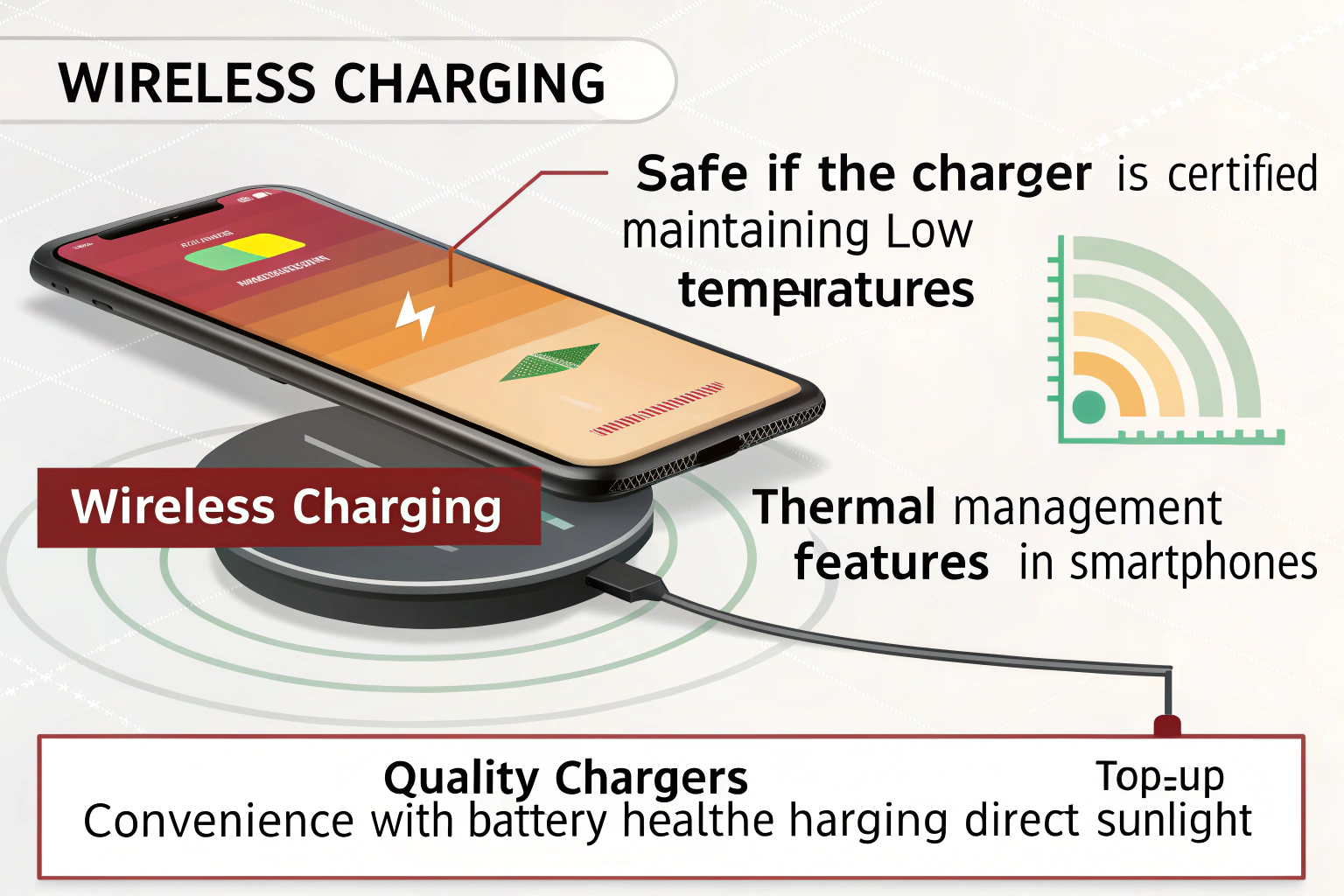
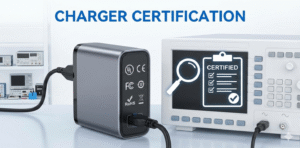
Wireless pads create slightly more heat than wired charging. Heat speeds chemical aging in lithium-ion cells[^5]. If you use a certified Qi charger that keeps the device cool, daily wireless charging[^1] is fine. Many phones include thermal management to slow charging when hot. Still, constant small top-ups all day can increase charge cycles[^2] and keep the battery near full more often. That can slightly reduce long-term capacity. I limit top-up charging when I can. I also pick chargers with good cooling and avoid placing phones under direct sunlight while charging. For most users, the convenience trade-off is worth it if they use quality chargers and avoid heat.
Is wireless charging[^1] harmful for iPhone batteries?
I checked Apple guidance before I started using wireless pads with my iPhone.
No. Apple supports Qi wireless charging[^6]g](https://electrongy.com/blogs/blogs/top-7-benefits-of-using-a-wireless-charger-for-your-smartphone?srsltid=AfmBOoqZT3IUeMQxOPQWCd320w4cV4lE61gNSlSWYh6OuE7qDZ9juX2A)[^1] and designs iPhones to manage heat and charging safely. Harm comes from overheating or low-quality chargers, not from the Qi protocol itself.
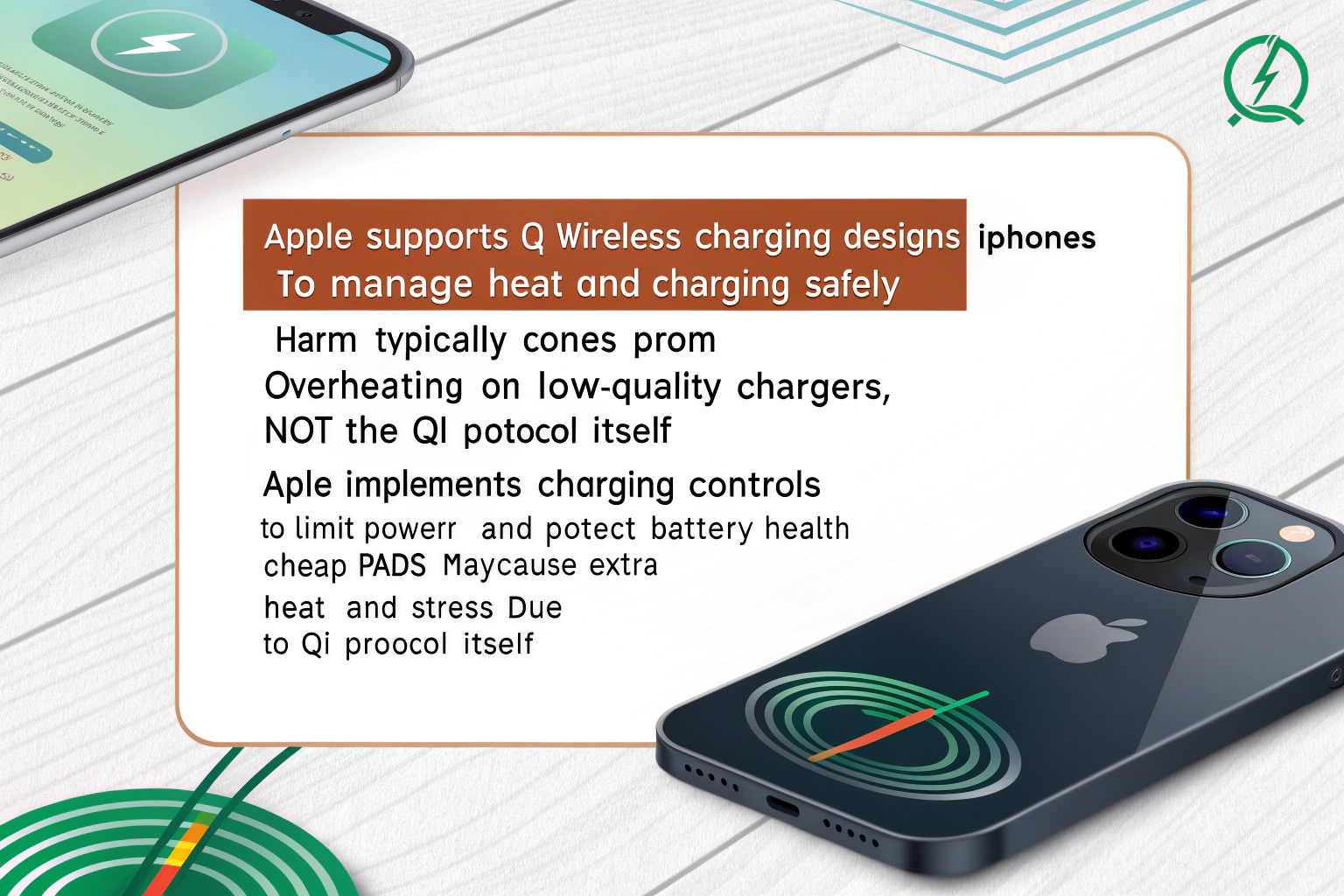
Apple implements charging controls that limit power and protect battery health[^3]. iPhones monitor temperature and adjust charging speed[^7]. Using certified MagSafe[^8] or Qi chargers from reputable brands reduces risk. Cheap pads may not align the coil well, causing extra heat and stress. iPhone batteries age due to charge cycles[^2], high temperatures, and long stays at 100% charge, regardless of charging method. Features like Optimized Battery Charging[^9] reduce time spent at full charge and help preserve health. I use an Apple-certified wireless charger[^4] or a high-quality third-party pad and enable battery health[^3] features to avoid issues.
What are the long term effects of wireless charging[^1]?
I tracked battery health[^3] over a year while alternating wireless and wired charging.
Long term effects depend on heat, charge patterns, and charger quality. With good habits, the effects are minimal. Poor habits speed capacity loss over time.
Wireless charging can raise battery temperature slightly. Repeated exposure to high temperatures increases chemical degradation. Also, constant top-up charging increases effective charge cycles[^2]. These two factors combined can reduce battery capacity[^10] faster than moderate wired charging in some cases. However, modern phones include protections that limit current and slow charging when hot. Studies and manufacturer guidance show that using quality chargers and avoiding heat keeps long-term capacity loss similar to wired charging. For heavy users, occasional full discharge cycles[^2] and avoiding constant 100% hold help. I recommend mixing methods: use wired charging for fast fills and wireless for convenience, while avoiding overnight wireless charging[^1] on hot pads.
Is it better to wireless charge your iPhone or plug it in?
I switched between both and found a simple routine that balanced speed, heat, and convenience.
Plug in for fast charging and lower heat. Use wireless for convenience, short top-ups, or when you want a tidy desk. Neither is clearly better; use the right method for the situation.
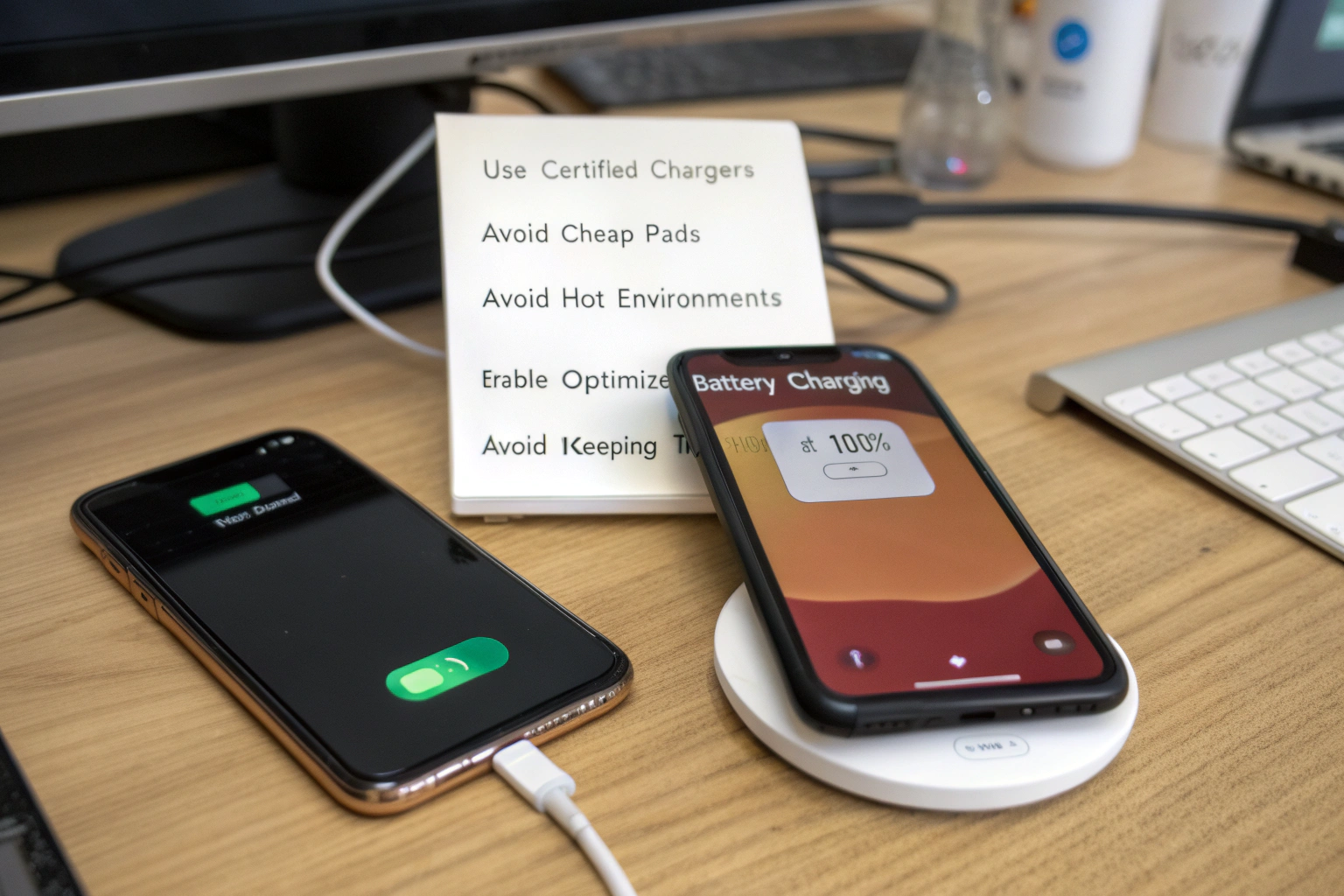
Wired charging, especially with USB-C PD, often charges faster and with less heat. Faster charge means less time at elevated temperatures for some chargers. Wired charging also tends to be more efficient. Wireless charging gives convenience and tidiness but can produce slightly more heat and align issues. For long-term battery health[^3], a few tips work well:
- Use certified chargers (Qi, MagSafe[^8], or reputable brands).
- Avoid cheap pads that misalign coils and cause heat.
- Avoid charging in hot environments or direct sun.
- Enable Optimized Battery Charging[^9] on iPhone.
- Avoid keeping the phone at 100% for long periods. I use wired charging when I need a quick top-up. I use wireless charging[^1] on my desk for short, convenient top-ups. This keeps my battery health[^3]y and my life easy.
Practical tips to protect battery when using wireless charging[^1]
I learned these tips from trial and error and reading manufacturer guidance.
- Choose certified Qi or MagSafe[^8] chargers from reputable brands.
- Check for good alignment and place the phone properly on the pad.
- Avoid charging on soft surfaces that trap heat.
- Remove thick metal or magnetic cases that block coils or cause heat. Use MagSafe[^8]-compatible cases when needed.
- Turn off wireless charging[^1] if the phone gets hot during charging.
- Enable battery health[^3] features like Optimized Battery Charging[^9] on iPhone.
- Occasionally use wired charging for a full, cooler charge cycle.
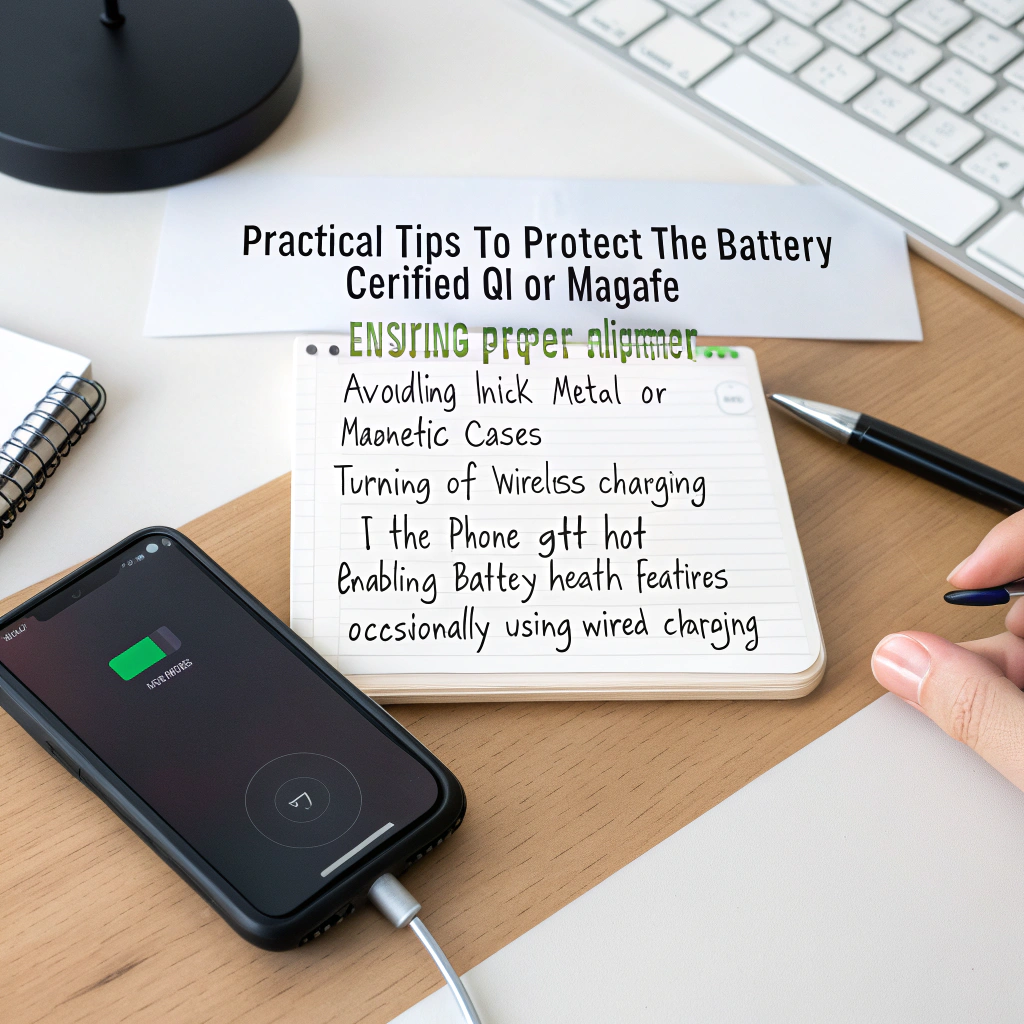
I follow these tips and watch battery health[^3] in settings. That simple routine helped me keep strong battery capacity[^10] after many months.
Conclusion
Wireless charging is not bad by itself. Use quality chargers, avoid heat, and mix wired and wireless charging[^1] for best long-term health.
[^1]: Explore the advantages of wireless charging, including convenience and safety, to understand its impact on battery life. [^2]: Gain insights into charge cycles and their impact on the longevity of your device's battery. [^3]: Learn effective strategies to preserve your smartphone's battery health and longevity. [^4]: Get tips on selecting a high-quality wireless charger to ensure safety and efficiency. [^5]: Understand the technology behind lithium-ion cells and their significance in modern batteries. [^6]: Discover the technology behind Qi wireless charging and its benefits for modern devices. [^7]: Learn about the relationship between charging speed and battery health to make informed choices. [^8]: Explore how MagSafe technology enhances the wireless charging experience for iPhone users. [^9]: Find out how Optimized Battery Charging can help extend your iPhone's battery lifespan. [^10]: Explore the various factors that influence battery capacity and how to manage them effectively.