Chargers are essential accessories for smartphones, tablets, laptops, and other electronic devices. Although they often seem simple, chargers contain delicate electronic components that wear out over time. Understanding a charger’s lifespan[^1]—and how to extend it—can help you save money, protect your devices, and ensure safe charging.
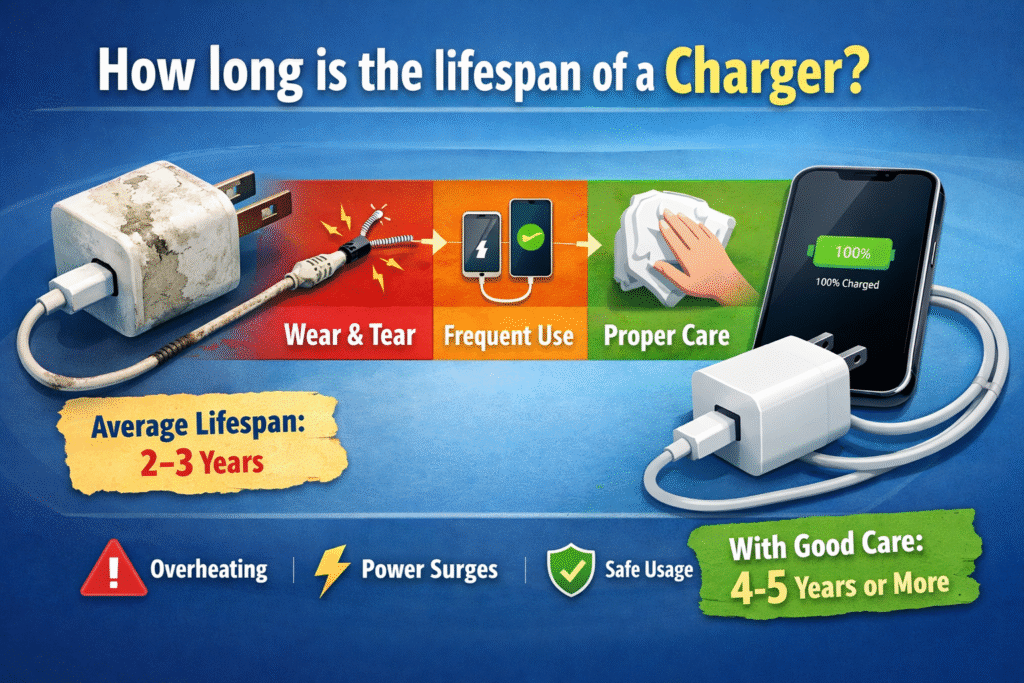
Most modern chargers last 2–5 years under normal use; quality, usage patterns, and environment determine whether they fail sooner or last much longer.
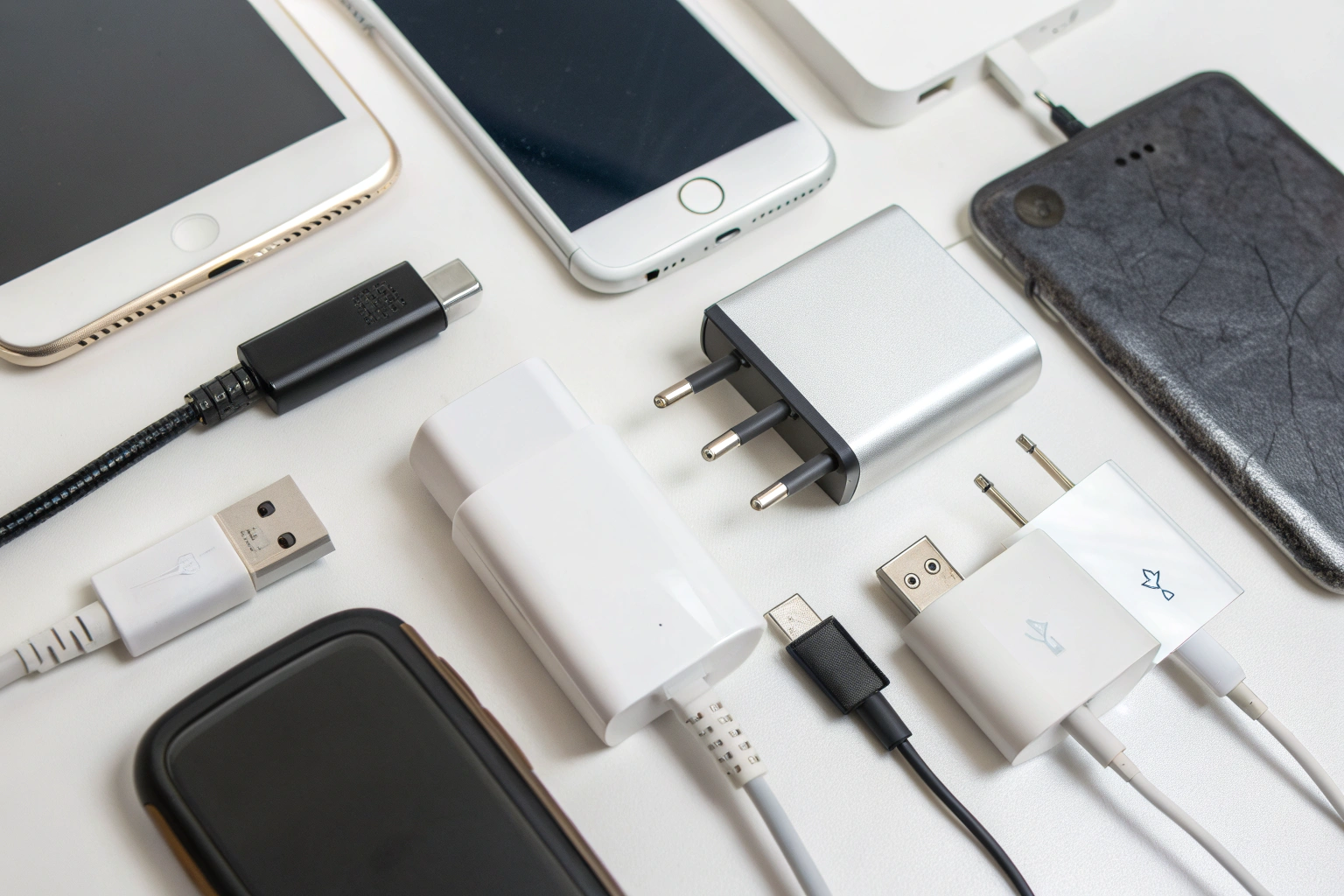
I learned to track charger age after one stopped working during a business trip. Chargers wear out slowly. Internal parts like capacitors and solder joints age. Cables fray. Connectors loosen. Heat and rough handling speed the damage. Knowing typical lifespans helps you replace chargers before they become a safety risk or stop working when you need them most.
Transition Paragraph. I now inspect chargers regularly and replace them when I see wear, noise, or heat.
What is the average lifespan of a charger?
I checked industry norms, component limits, and my own experience to estimate useful life.
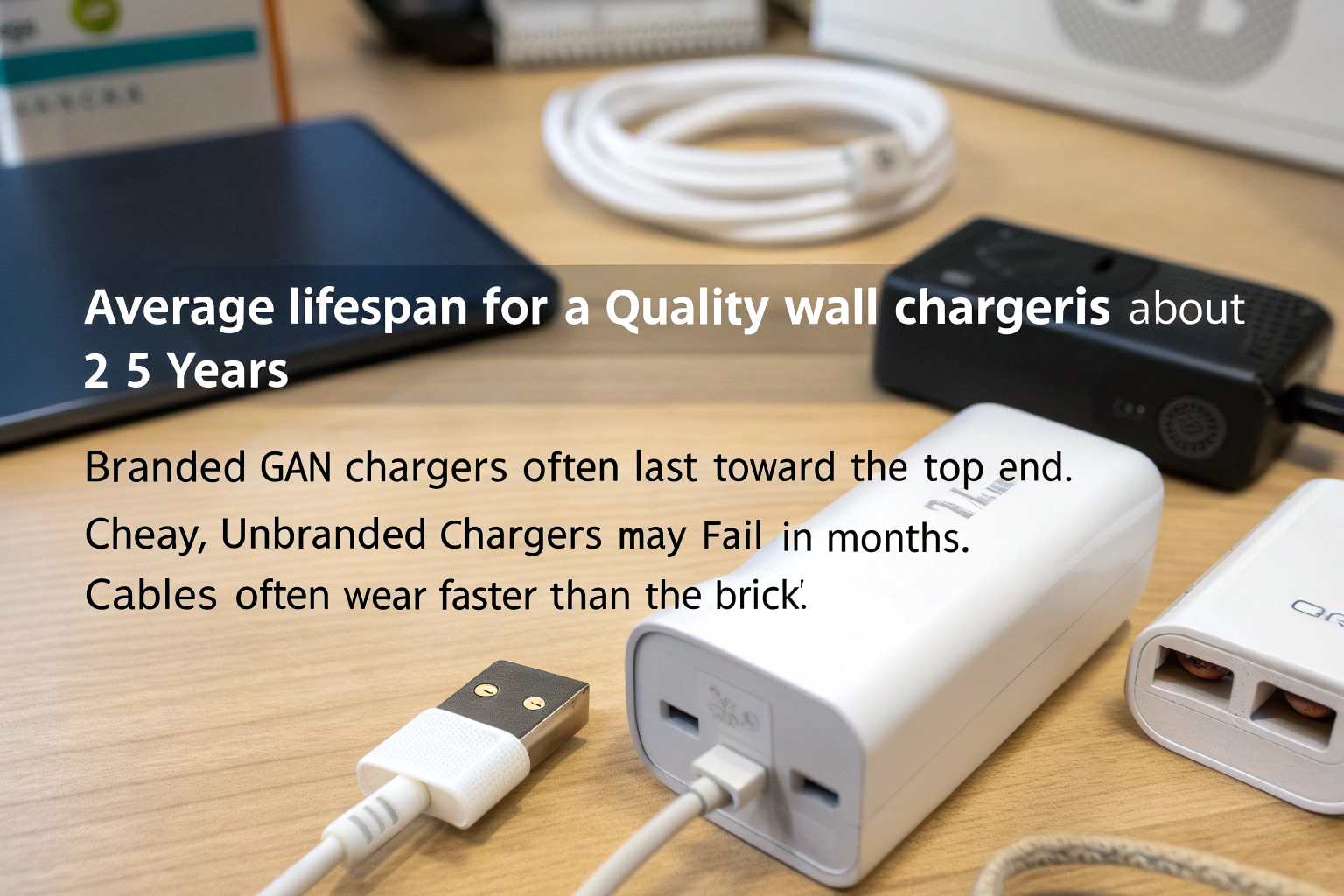
Average lifespan for a quality wall charger is about 2–5 years. Branded GaN chargers[^2] often last toward the top end. Cheap, unbranded chargers may fail in months. Cables often wear faster than the brick.
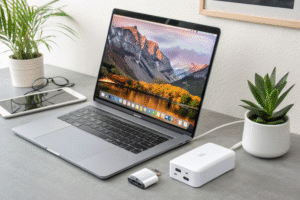
Most chargers are built with electrolytic capacitors[^3], switching transistors, and connectors. Capacitors degrade with heat and time, often limiting life to a few years. A well-made switch-mode charger with quality components and good thermal design will run longer. GaN chargers[^2] run cooler and can increase longevity. The cable end and connector are the weakest parts. A cable that bends at the strain point will fail much earlier than the charger brick. Heavy daily use, frequent travel, or poor power conditions shorten life. I replace cables every year or two if I use them heavily. I replace the charger brick every 3–5 years even if it still works, when it shows signs of aging like warmth, noise, or loose ports.
Factors Affecting a Charger’s Longevity
I review real factors that cause early failure so you can spot risks and avoid them.
Longevity depends on component quality, thermal stress[^4], usage patterns, cable strain[^5], power quality[^6], and manufacturing. Poor design, heat, and bad cables are common failure causes.
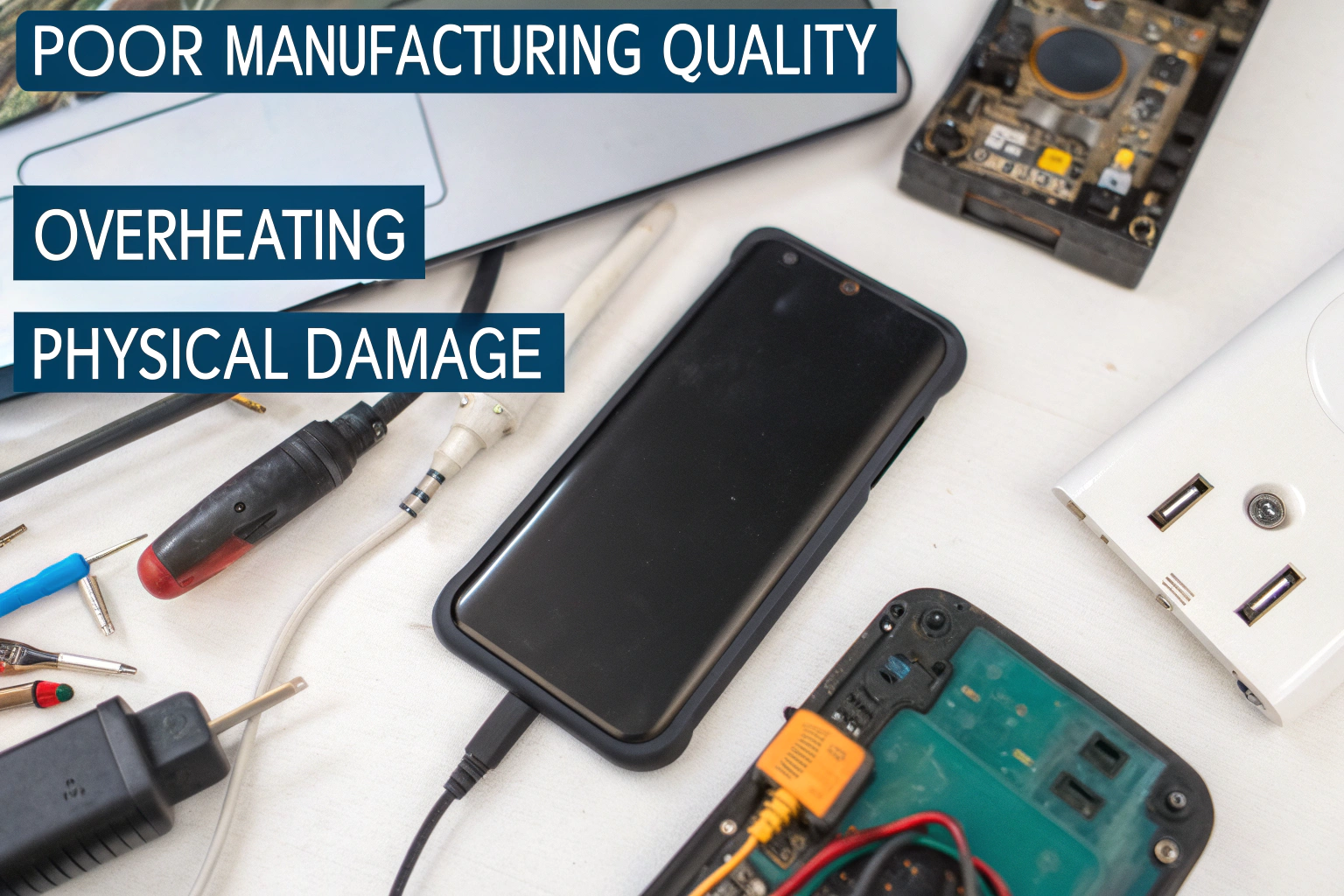
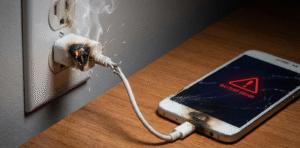
Quality of components. Better capacitors, MOSFETs, and transformers last longer. Cheap units cut costs by using lower-grade parts. Thermal design. A charger that runs hot will age components faster. Venting, spacing, and materials matter. GaN parts reduce heat and can help longevity. Usage patterns. Constant use, heavy loads, and long charging sessions[^7] increase wear. Fast charging generates more heat and stress than slow charging. Cable strain and connector wear. Bending and tugging damage wires and connectors. The weakest link is often the cable. Power quality. Frequent power spikes, brownouts, or unstable outlets stress internal circuits. Using a surge-protected strip helps. Environmental factors. High humidity, dust, and salty air speed corrosion and shorts. Travel and mechanical shock. Drops, crushing in luggage, and adapter misuse break solder joints and housings. Manufacturing and certification. Certified chargers meet safety tests that reduce early failures. Unbranded or counterfeit units skip these checks. I once saw a cheap charger fail after a single overnight charge on 240V power. The internal capacitor bulged. That taught me to prefer certified chargers[^8] and to avoid leaving them under pillows or in poor-ventilated places.
How to Extend the Lifespan of Your Charger
I give practical steps and habits I use to keep chargers working longer and safer.
Reduce heat, avoid stress on cables, use good power protection, and buy quality chargers. Simple habits add years to a charger’s useful life.
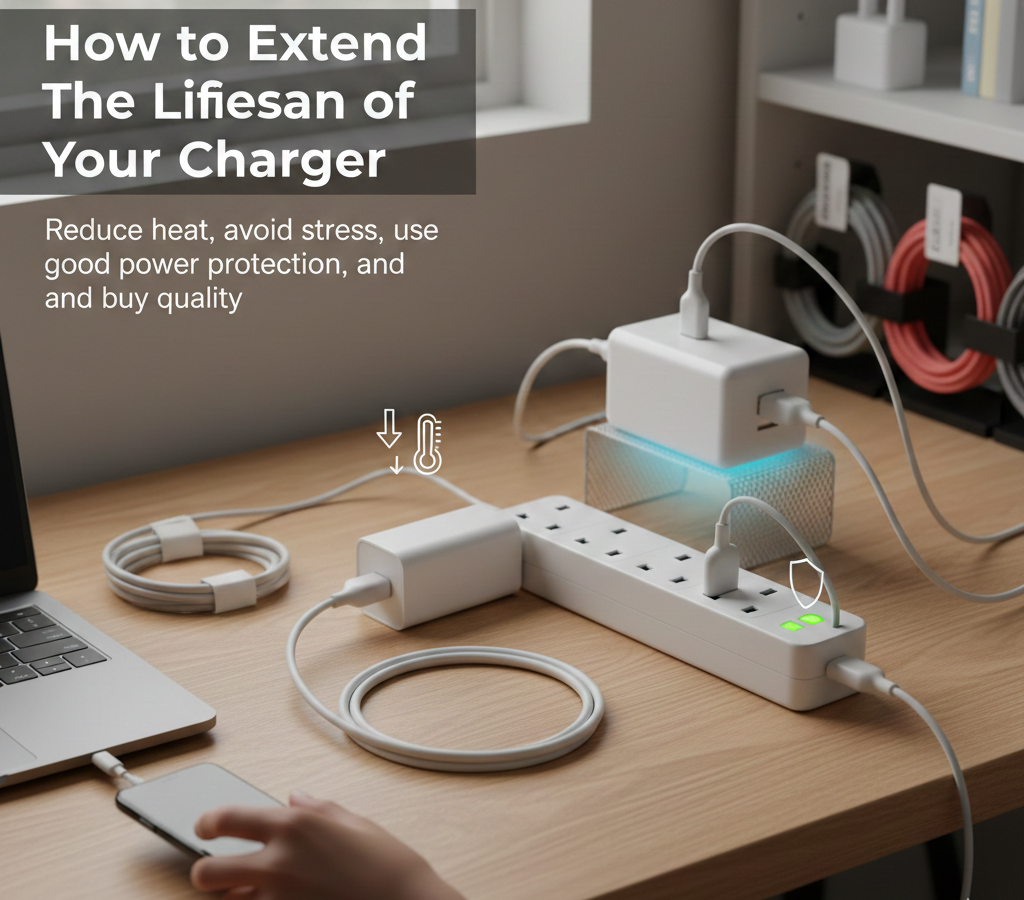
Choose quality. Buy reputable brands with safety certifications like UL, CE, FCC. Prefer chargers with good reviews and known components. Use GaN chargers[^2] if you want high wattage in a small, cool package. Mind power specs. Use chargers rated for your device and avoid constant max-power operation when not needed. For laptops, use the correct wattage. Ventilate during use. Do not charge on soft surfaces like beds or couches. Keep chargers on hard, cool surfaces to let heat dissipate. Avoid overnight continuous charging if you want to reduce stress, though modern devices and chargers have protections. Protect cables. Use short, sturdy cables for travel. Replace cables at the first sign of fraying. Use cable organizers to avoid sharp bends. Plug and unplug by gripping the connector, not the cable. Use surge protectors[^9]. Protect chargers from spikes and unstable supply with a quality surge protector or UPS when in risky power areas. Watch the environment. Keep chargers away from moisture, dust, and corrosive air. In humid or coastal regions, store chargers in dry cases. Avoid mechanical stress[^10]. Use adapters that fit snugly. Don’t force plugs. Pack chargers in padded pouches when traveling. Inspect regularly. Look for bulging, discoloration, loose ports, unusual noise, or excess heat. Replace any charger that hums, gets very hot, or shows physical damage. Recycle old chargers. Don’t keep visibly damaged chargers as backups. Old electronics can cause fires. I personally replace cables every 12–18 months with heavy use and the charger brick every 3–5 years. That routine kept my devices safe and avoided sudden failures during trips.
Transition Paragraph. I follow these rules: buy quality, protect from heat and spikes, handle cables gently, and replace at the first sign of trouble.
Conclusion
The average charger lifespan ranges from 2 to 5 years, but quality, usage habits, and environment play major roles in how long it lasts. Heat, cable stress, and poor power quality[^6] are the most common causes of early failure.
By choosing a high-quality, certified charger and following good usage habits, you can extend its lifespan, maintain charging efficiency[^11], and ensure the safety of your devices.!
[^1]: Understanding the lifespan of chargers can help you plan replacements and avoid sudden failures. [^2]: GaN chargers are known for their efficiency and longevity; exploring their benefits can enhance your charging experience. [^3]: Learning about electrolytic capacitors can help you understand why some chargers fail sooner than others. [^4]: Understanding thermal stress can help you take measures to protect your chargers from overheating. [^5]: Preventing cable strain is crucial for charger longevity; find out effective ways to protect your cables. [^6]: Exploring power quality can help you ensure a stable power supply for your devices, prolonging charger life. [^7]: Understanding the impact of charging sessions can help you optimize usage and extend charger life. [^8]: Certified chargers meet safety standards; exploring their importance can help you make safer purchasing decisions. [^9]: Using surge protectors can safeguard your chargers from power spikes; learn how they function to protect your devices. [^10]: Learning about mechanical stress can help you handle chargers properly and avoid damage during travel. [^11]: Understanding charging efficiency can help you choose the right charger for your devices and save energy.